Author: Aurora James

  • Benefits of Semen Retention: What the Evidence Actually Says

    Benefits of Semen Retention: What the Evidence Actually Says

    If you’ve searched for the benefits of semen retention, you’ve probably seen some big claims: higher testosterone, more energy, better focus, increased fertility, and even major changes after exactly 7, 30, or 90 days without ejaculating.

    The reality is less dramatic. There is no strong evidence that simply avoiding ejaculation produces a universal set of health benefits. Some people may feel better when they stop masturbating or watching pornography, but that does not automatically mean the benefit came from “saving” semen.

    So what actually happens when you stop ejaculating? This guide looks at the common 7-, 15-, 30-, and 90-day claims, what happens to sperm and semen, whether testosterone really changes, what we know about fertility and prostate health, and why prolonged edging is different from ordinary abstinence.

    Are There Real Benefits of Semen Retention?

    There may be practical benefits to choosing not to ejaculate for a period of time, but the evidence does not support the idea that semen retention itself unlocks a predictable list of health benefits for everyone.

    That distinction matters because “semen retention” can mean several things in practice. One person may simply avoid ejaculation while continuing to watch pornography and engage in prolonged sexual stimulation. Another may use the challenge to quit pornography, stop compulsive masturbation, spend less time online, and regain control over a habit that was getting in the way of work or relationships.

    Those are very different experiences.

    If someone stops spending an hour every night searching for pornography and masturbating, they may suddenly have more time, fewer distractions, and a greater sense of control. Those changes are real. But attributing all of them to semen remaining inside the body is a much bigger claim, and one that the evidence does not establish.

    What semen retention actually means

    Semen retention generally refers to deliberately avoiding ejaculation, whether through masturbation or sexual activity. It is often discussed alongside NoFap, although the two are not identical. A person can avoid pornography without committing to complete ejaculation abstinence, while another person may practice semen retention for personal, spiritual, or behavioral reasons.

    Claimed benefits vs. established evidence

    Online discussions often turn personal experiences into universal promises. Better concentration, confidence, motivation, strength, and testosterone are frequently mentioned as if they are guaranteed outcomes. They are not.

    That does not mean every person who reports a positive experience is imagining it. The cause may simply be more complicated. Changing a sexual habit can change sleep, routines, screen time, stress, attention, and how much time someone spends pursuing sexual stimulation.

    There is no magic biological deadline at which the body suddenly rewards you for reaching day 7 or day 30.

    That makes the next question especially important: if there is no guaranteed day-30 transformation, what actually happens during the first week?

    What Happens After 7 Days Without Ejaculating?

    Seven days without ejaculation does not appear to trigger a universal biological transformation. Your body continues producing sperm, and the reproductive system continues its normal processes while you remain sexually abstinent.

    You may notice increased sexual desire, more frequent thoughts about sex, or simply no meaningful physical difference at all. Individual experiences vary, and a person’s expectations can also influence how they interpret changes in mood, energy, or focus.

    What happens to sperm and semen?

    Sperm production does not stop because you have decided not to ejaculate. Sperm cells are continually produced, mature over time, and unused sperm are eventually broken down and reabsorbed by the body. Cleveland Clinic explains how the body handles unreleased sperm.

    This is why the idea that you are continuously “filling up” for months is misleading. Abstinence can change the amount of semen and sperm present in a particular ejaculation, but that is different from accumulating an unlimited reserve.

    What you may notice physically

    Some people experience stronger sexual urges during a period of abstinence. Others notice little change. Some may also have a spontaneous ejaculation during sleep, commonly called a wet dream or nocturnal emission. That is a normal physiological event and does not mean something has gone wrong.

    The important point is that seven days is a behavioral milestone, not a medically established switch.

    And if one week does not create a special transformation, it is reasonable to ask whether two weeks, one month, or even three months changes the picture.

    What Happens After 15, 30, or 90 Days Without Ejaculation?

    It is easy to assume that if seven days is beneficial, thirty days must be even better and ninety days must be better still. Biology does not work that neatly.

    There is no established medical rule saying that 15, 30, or 90 days of semen retention produces a specific package of health benefits. Longer abstinence can change semen parameters, but those changes should not be confused with proof that longer retention is healthier.

    15 days: what can and cannot be concluded

    After 15 days without ejaculation, the main difference is that you have maintained abstinence for longer. You may feel more in control of your sexual habits, or you may experience stronger urges. Neither outcome is guaranteed.

    From a reproductive standpoint, longer abstinence can increase semen volume and sperm count in a subsequent ejaculation. Research also shows that other sperm characteristics do not move in one simple direction. A systematic review of studies on ejaculatory abstinence found that longer abstinence was associated with greater semen volume and sperm count, while findings for motility, morphology, and DNA fragmentation were mixed or inconclusive. The review is available through PubMed.

    30 days: habit change matters more than the number

    Thirty days is a popular target because it is long enough to make a noticeable change in someone’s routine. If that month also means less pornography, fewer hours spent masturbating, fewer sexual triggers, or more time spent exercising and working, the person may genuinely feel different.

    But that does not prove that the benefits of semen retention created those changes. The bigger factor may be what the person stopped doing and what they started doing instead.

    For example, imagine someone who used to spend two hours every night watching pornography and masturbating. During a 30-day challenge, that behavior disappears. The person now sleeps earlier, exercises four times a week, spends more time studying, and feels less distracted. Calling all of that a “semen retention benefit” misses the much more obvious behavioral changes.

    90 days: why longer does not automatically mean healthier

    There is no scientifically established point at 90 days where retained semen produces maximum health benefits. A person can choose a 90-day goal for personal discipline, spiritual reasons, or to break a compulsive pattern, but the number itself should not be treated as a medical milestone.

    The useful question is not “How much semen have I saved?” It is “What has changed in my life because of this decision?”

    That question also brings us to one of the biggest claims surrounding retention: testosterone.

    Does Semen Retention Increase Testosterone or Improve Energy?

    Spend enough time around semen-retention communities and testosterone usually enters the conversation. The claim sounds logical: if ejaculation uses sexual resources, perhaps avoiding it lets testosterone build up. The biology is not that simple.

    One small older study involving 28 men reported a temporary testosterone peak around the seventh day of abstinence. The study is available through PubMed. But a temporary change in a small study is not the same thing as evidence that long-term abstinence raises testosterone to higher, healthier levels.

    There is also no good basis for treating ejaculation as if it permanently drains testosterone. Testosterone is produced by the endocrine system and regulated through complex hormonal feedback mechanisms. It is not a tank that gets emptied every time a man ejaculates.

    Why might someone feel more energetic?

    If someone feels more energetic during a retention challenge, there are several possible explanations that have nothing to do with semen being stored as a form of energy.

    They may be sleeping more because they are no longer staying up late watching pornography. They may be exercising more. They may feel proud of keeping a commitment. They may be spending less time chasing sexual stimulation and more time on work, study, or social activities.

    Those effects can be meaningful without needing a testosterone explanation.

    In other words, feeling better is worth noticing. The mistake is assuming you already know exactly why.

    Does Semen Retention Affect Sperm, Semen Quality, or Fertility?

    Yes, abstinence can affect what appears in an ejaculation, but that does not mean retaining semen indefinitely improves fertility. In fact, sperm count, semen volume, sperm quality, and fertility are different measurements and should not be treated as interchangeable.

    Think of semen as the fluid that carries sperm. A larger amount of semen does not automatically mean that the sperm inside it are healthier or that a man is more fertile.

    How sperm production actually works

    The testicles continuously produce sperm. When ejaculation does not occur, sperm do not simply pile up forever. Older sperm are eventually broken down and reabsorbed by the body.

    That is why “How long do balls take to refill?” is not really the right way to think about the process. There is no single refill point where the testicles suddenly become full and then start producing no more sperm.

    Semen volume vs. sperm count vs. sperm quality

    Longer abstinence can increase semen volume and total sperm count in a subsequent sample. But research on motility, morphology, DNA fragmentation, and other measures is more complicated.

    A systematic review found conflicting results across different semen parameters and concluded that there was not enough consistent evidence to recommend one ideal abstinence period for every purpose. Read the systematic review on PubMed.

    Research also indicates that abstinence duration can influence semen parameters, while the ideal period depends on the outcome being considered. That is particularly relevant in fertility treatment, where doctors may give specific instructions before semen collection.

    What this means for fertility

    If you are trying to conceive, deliberately avoiding ejaculation for a very long period should not be assumed to maximize your chances. Mayo Clinic notes that frequent masturbation is unlikely to have much effect on male fertility and that some data suggest optimum semen quality after two to three days without ejaculation, while other research finds that men with normal sperm quality can maintain normal sperm concentration and motility even with daily ejaculation. Mayo Clinic explains the fertility evidence here.

    Fertility is a medical issue, not a semen-retention competition. If you are concerned about sperm quality or difficulty conceiving, a healthcare professional can assess the situation with appropriate testing rather than relying on an abstinence challenge.

    And reproductive health raises another question that is often overlooked: is holding onto semen actually better for the prostate?

    Could Semen Retention Affect Prostate Health?

    Most people assume that if ejaculation is not necessary, avoiding it must be equally harmless or perhaps even healthier. Prostate research makes that conclusion harder to defend.

    One large prospective study of more than 30,000 men found an association between higher reported ejaculation frequency and lower prostate-cancer incidence, particularly for low-risk disease. The study is available on PubMed.

    But this needs an important qualification: an association does not prove that ejaculation prevents prostate cancer. Men who ejaculate more frequently may differ from men who ejaculate less frequently in other ways, and observational research cannot establish cause and effect by itself.

    So the responsible conclusion is not “you must ejaculate to protect your prostate.” It is simply that there is no strong evidence-based reason to claim that long-term semen retention is automatically better for prostate health.

    That distinction matters because the goal of good health advice is not to replace one extreme claim with its opposite.

    Is Edging for Two Hours Healthy?

    Suppose someone is not ejaculating, but they are spending two or three hours repeatedly getting highly aroused, stopping before orgasm, and starting again. That is a different behavior from simply choosing not to ejaculate.

    Prolonged sexual stimulation can leave the genitals feeling sore, uncomfortable, or temporarily sensitive. If an erection is painful or does not go away, that is not something to treat as a semen-retention achievement. An erection lasting more than four hours requires emergency medical care because it can indicate priapism and lead to tissue damage. Mayo Clinic explains when a prolonged erection needs urgent treatment.

    Edging is different from simple abstinence

    Semen retention is about avoiding ejaculation. Edging involves deliberately maintaining sexual arousal, often for a prolonged period. Someone can therefore practice retention without edging at all.

    That distinction is especially important for people who are trying to break compulsive sexual habits. Spending hours seeking increasingly intense stimulation may keep the same habit loop alive even if ejaculation never happens.

    Why prolonged arousal can become uncomfortable

    After extended stimulation, some people experience temporary aching or pressure in the testicles or pelvic area. The discomfort is usually not evidence that dangerous amounts of semen are trapped inside the body. It is a reason to stop, rest, and let the body return to its normal state.

    If there is severe or persistent pain, swelling, an injury, blood in semen or urine, or an erection that remains painful and does not resolve, seek medical care rather than trying to push through it.

    Once you separate abstinence from prolonged stimulation, another pattern becomes easier to see: sometimes the biggest benefit people experience is not about ejaculation at all. It is about what they stop doing around it.

    What Are the Practical Benefits of Abstaining From Porn or Compulsive Masturbation?

    This is where a semen-retention challenge can become genuinely useful for some people. If abstinence helps someone step away from pornography, compulsive masturbation, or hours of sexual stimulation, the practical changes can be substantial even if there is no special biological benefit from retaining semen.

    Removing a trigger can also make a goal easier to maintain. Someone who repeatedly reaches for pornography when bored, stressed, lonely, or tired may struggle less when that easy access is no longer sitting one tap away.

    Less distraction: Sexual content can consume time and attention. Reducing it can leave more room for work, studying, exercise, relationships, and sleep.

    More control: A person who feels unable to stop a behavior may gain confidence from proving that they can change their routine. That psychological benefit is different from claiming that semen itself creates confidence.

    Fewer triggers: If pornography is the main problem, reducing access to explicit sites can be more practical than relying on willpower every time an urge appears.

    That’s where BlockGuard can fit. If pornography is the trigger you’re trying to remove, putting a barrier between an urge and the site you’re tempted to visit can make the change easier to maintain.

    The point is not to make a blocker responsible for your choices. It is to remove some of the easy opportunities that can undermine them.

    And once the focus shifts from counting retained days to changing the habits around sexual content, the healthiest approach becomes much clearer.

    What Is the Healthiest Way to Approach Semen Retention?

    If you want to explore the potential benefits of semen retention, treat it as a personal behavioral choice rather than a medical requirement or a race toward a magic number.

    A 7-day, 30-day, or 90-day goal can be useful if it gives you a clear structure for changing a habit. But the number itself is not the achievement that matters most. Look at what the challenge is helping you do differently.

    Set a behavioral goal rather than chasing a magic number

    If your real goal is to stop pornography, make that the goal. If you want to stop compulsive masturbation, measure progress against that behavior. If you simply want to explore how you feel without ejaculating, you can do that without assuming every change is a medical benefit.

    Watch for compulsive patterns

    A long retention streak is not automatically healthy if it becomes an obsession. Counting every day, repeatedly checking for physical changes, or spending hours edging because you are determined not to ejaculate can defeat the purpose of improving your habits.

    Healthy behavior should give you more control over your life, not another number you feel anxious about protecting.

    Focus on the rest of your health too

    Sleep, exercise, nutrition, stress management, relationships, and mental health have much stronger foundations as everyday health priorities than chasing a particular ejaculation schedule.

    If you have persistent sexual problems, pain, erectile difficulties, fertility concerns, or other symptoms that worry you, talk with a healthcare professional. A semen-retention challenge should not replace medical evaluation.

    In the end, the most useful question is not whether you have reached day 30. It is whether your choices are helping you live the way you actually want to live.

    If Your Goal Is Quitting Porn, BlockGuard Can Help Reduce the Triggers

    If semen retention is part of a larger attempt to quit pornography, then the practical challenge is often access. An urge is difficult enough without having an unlimited supply of triggering websites available whenever motivation drops.

    BlockGuard is designed for that specific problem. Rather than asking you to rely entirely on willpower, it adds friction at the point where an urge could otherwise turn into another cycle.

    • Adult content protection: helps reduce access to explicit websites and common pornography triggers.
    • Custom website blocking: lets you block distracting or triggering websites beyond adult content.
    • Password protection and accountability: adds another layer of friction when you are tempted to change your blocking setup.
    • Focus sessions: helps create structured periods with fewer digital distractions when you want to concentrate on work, study, or other priorities.

    If reducing pornography triggers is part of your goal, BlockGuard can help create some distance between the urge and the websites that repeatedly pull you back in.

    Frequently Asked Questions

    1. What happens if a man goes too long without ejaculating?

    There is no established number of days after which a healthy man becomes harmed simply because he has not ejaculated. Sperm production continues, and unused sperm are broken down and reabsorbed by the body. Some men may experience stronger sexual urges or spontaneous ejaculation during sleep.

    2. How long do balls take to refill?

    The testicles do not work like containers that become empty and then refill after ejaculation. Sperm are produced continuously, while semen and sperm levels in an ejaculation can vary depending on how recently ejaculation occurred and other factors.

    3. Is not ejaculating for 3 months good for you?

    There is no strong evidence that three months without ejaculation provides a universal health benefit. A person may find a long abstinence period useful for changing pornography or masturbation habits, but that behavioral benefit should not be confused with a proven physiological benefit from retaining semen.

    4. What happens if you don’t masturbate for a month?

    You may notice changes in sexual urges, thoughts, or routines, but experiences vary widely. Your body continues producing sperm, and there is no requirement to masturbate on a fixed schedule for health.

    5. What are the benefits of not ejaculating for 15 days?

    There are no specific, medically established benefits that everyone receives after exactly 15 days. Some people may find the period useful for reducing pornography, compulsive masturbation, or sexual distractions, while others may notice little change.

    6. Can a man go 2 weeks without ejaculating?

    Yes. A healthy man can generally go two weeks without ejaculating. Abstinence itself does not mean that sperm production stops or that sperm accumulate indefinitely.

    7. What happens if I don’t masturbate for a week?

    Usually, nothing dangerous happens simply because you did not masturbate for a week. You may experience more sexual urges, no noticeable difference, or a spontaneous ejaculation during sleep.

    8. What happens if you stop ejaculating for 2 weeks?

    Two weeks of abstinence can change semen characteristics when you eventually ejaculate, including semen volume and sperm count. That does not mean two weeks creates a special health benefit or that longer abstinence is automatically better.

    9. What are the benefits of not ejaculating for 30 days?

    A 30-day period can be useful as a structured habit challenge, especially if it helps someone reduce pornography or compulsive sexual behavior. However, there is no strong evidence that reaching 30 days creates a universal biological benefit.

    10. Is it good to go a long time without ejaculating?

    Long-term abstinence can be a personal choice, but there is no established medical requirement to retain semen for a particular length of time. Whether it is useful depends largely on the person’s goals, habits, and overall wellbeing rather than the number of days alone.

    Conclusion

    Semen retention can be a meaningful personal practice, but it is important to separate what people experience from what science has actually established.

    There is no proven 7-day, 30-day, or 90-day formula that guarantees more testosterone, energy, focus, fertility, or health. Abstinence can change semen parameters, and some people may benefit because the practice helps them reduce pornography, compulsive masturbation, or other distracting habits. Those are worthwhile outcomes, but they are not the same as proving that retained semen creates special powers.

    If you are researching the benefits of semen retention, the most useful takeaway is simple: focus less on protecting a streak and more on what the practice is helping you change. Better sleep, healthier routines, fewer triggers, more control over your attention, and a healthier relationship with sexuality are much more useful goals than simply watching a counter climb.
  • Can Masturbation Cause Acne? What Science Says

    Can Masturbation Cause Acne? What Science Says

    If you’ve searched “can masturbation cause acne,” you’ve probably run into this claim more than once — on Reddit threads, NoFap forums, or TikTok videos promising clearer skin if you quit.

    Here’s the direct answer: no. There’s no scientific evidence that masturbation or ejaculation causes acne.

    That might surprise you if you’ve seen enough posts insisting otherwise. In this guide, you’ll learn exactly why this myth spreads so easily, what’s actually happening in your body when you masturbate, what really causes acne, and what helps if your skin has been bothering you.

    Can Masturbation Cause Acne? The Short Answer

    No. Current evidence does not support a link between masturbation, ejaculation, or semen and acne.

    Acne develops when hair follicles get clogged with excess oil, dead skin cells, and bacteria. That process plays out on your skin’s surface, driven by oil glands and hormone levels over time.

    Masturbation doesn’t trigger any of that. It doesn’t flood your skin with oil, and it doesn’t meaningfully shift the hormones that regulate acne.

    So can masturbation cause acne under any circumstance? Not according to the current research — and the reasoning behind that answer is worth understanding, because the myth is more persistent than the evidence.

    Testosterone is genuinely connected to acne — just not in the way most people assume. That’s the myth worth unpacking next.

    Why People Believe Masturbation Causes Acne

    The myth usually follows a simple chain of logic: masturbation releases testosterone, testosterone causes acne, so masturbating must cause acne.

    That logic sounds reasonable on the surface. It’s also built on a shaky first step.

    Masturbation doesn’t meaningfully raise your testosterone levels. Some research even suggests a brief, temporary dip right after ejaculation, followed by a return to baseline — not the surge people picture.

    Feeling turned on doesn’t change this either. Horniness is a psychological and neurological state, not a hormonal event that alters oil production in your skin. This gap between assumption and biology is really the whole masturbation acne myth in a nutshell.

    Semen itself has no established connection to acne. It rarely touches your face during masturbation, and there’s no research showing it triggers breakouts even when it does.

    Part of the confusion also comes from a popular internet idea called “post-nut clarity” — the sense of calm some people feel after masturbating. That’s a real, widely discussed psychological effect. It has nothing to do with your skin, but it’s easy to see how people started connecting the two.

    That raises the real question: what does masturbation actually do to your hormones?

    What Actually Happens Hormonally When You Masturbate

    Ejaculation triggers a small, short-term hormonal shift — not the dramatic spike people imagine.

    Right after orgasm, prolactin levels rise temporarily. This is the hormone linked to that relaxed, sleepy feeling many people notice afterward. It’s part of why arousal tends to fade quickly once you’ve finished.

    Testosterone is a different story. A randomized crossover study on hormonal responses after masturbation found that any testosterone change around ejaculation is short-lived and returns to baseline quickly — the research is mixed on whether it rises or dips at all. Either way, it doesn’t stay elevated long enough to matter for your skin.

    Neither shift is large or sustained enough to affect oil production in your skin. Hormonal acne is driven by sustained elevated hormone levels — the kind tied to puberty, the menstrual cycle, or conditions like PCOS — not a fluctuation that resolves within an hour. None of this supports the idea that ejaculation causes acne, either.

    Think of it like the difference between a passing rain shower and an entire rainy season. One clears up in minutes and barely dampens the ground. The other steadily reshapes the landscape over weeks.

    Masturbation is the shower. Chronic hormonal conditions are the season. Only one of those has the sustained influence needed to affect your oil glands.

    If you’re curious how masturbation and porn use affect your body more broadly — beyond just skin — our guide on how porn affects your brain breaks down the neuroscience in more detail.

    Ejaculation frequency, in other words, isn’t pulling much weight here. The real drivers of acne live somewhere else entirely.

    What Really Causes Acne (Hint: It’s Not Masturbation)

    Acne is driven by a handful of well-established factors — and none of them involve masturbation. According to the American Academy of Dermatology, breakouts form when hair follicles become clogged with oil, dead skin cells, and bacteria.

    Cause How It Works Who’s Most Affected
    Excess sebum (oil) production Clogs pores and creates an environment where bacteria thrive Teens, people with naturally oily skin
    Hormonal fluctuations Androgens increase oil gland activity during puberty, periods, or PCOS Teenagers, women with hormonal conditions
    Clogged pores Dead skin cells trap oil and bacteria under the surface Anyone with inconsistent skincare habits
    C. acnes bacteria Multiplies inside clogged, oily pores and triggers inflammation Anyone prone to breakouts
    Diet High-glycemic foods and dairy may worsen acne for some people Varies by individual
    Stress Raises cortisol, which can increase oil gland activity Anyone under chronic or ongoing stress
    Genetics Family history strongly predicts acne risk and severity People with a family history of acne

    Sebum is the biggest piece of the puzzle. Your skin naturally produces oil to stay protected and moisturized, but when glands overproduce it, that oil mixes with dead skin cells and clogs your pores.

    Hormones control how much oil those glands make in the first place. That’s why acne tends to cluster around puberty, certain points in the menstrual cycle, or conditions involving elevated androgens — not around how often someone masturbates.

    Diet and stress play a smaller, more individual role. Some people notice a clear pattern with dairy or sugary foods; others don’t see any connection at all. That’s part of why dermatologists treat these as contributing factors rather than root causes.

    Acne isn’t usually a sign that you’re lacking one specific vitamin. That said, some people notice mild improvement when they address zinc, vitamin A, or omega-3 intake — though the evidence here is mixed, and it’s not a guaranteed fix for everyone.

    Persistent acne is often your skin signaling something else entirely: a hormonal pattern, product buildup, ongoing stress, or a skincare routine that doesn’t match your skin type. In some cases, it points to an underlying condition like PCOS, where elevated androgens drive breakouts — a well-documented pattern in PCOS-related acne research. Whichever factor is behind it, the honest answer to “can masturbation cause acne” stays the same: no.

    Frequency myths are just as common as the acne myth itself — worth tackling head-on too.

    Does How Often You Masturbate Affect Your Skin or Health?

    Masturbating once a day isn’t inherently unhealthy for most people — including for your skin. There’s no research tying masturbation frequency to acne, no matter how often you do it.

    There’s no research showing that masturbation frequency, on its own, causes physical harm in healthy adults. What tends to matter more is whether the habit feels intentional or whether it starts to feel compulsive and hard to control.

    Edging — deliberately delaying orgasm for an extended period, like two hours — isn’t dangerous in a physical sense either. It can lead to discomfort such as soreness, fatigue, or mild irritation, simply from prolonged stimulation. None of that is connected to acne.

    Myth Fact
    Masturbating daily causes health problems No evidence supports this for most healthy adults
    Releasing sperm daily has physical “disadvantages” Aside from possible temporary fatigue, there’s no established harm
    Ejaculating makes you lose weight Semen has negligible mass and calories — no measurable effect
    Edging for hours is completely harmless in any amount Not dangerous, but prolonged sessions can cause soreness or irritation — not skin issues

    The “disadvantages of daily masturbation” people search for are usually more about time, habit, or context than physical health. Spending hours a day on it, or using it to avoid stress instead of manage it, is a different conversation than the act itself being harmful.

    If your habits feel less like a choice and more like something you can’t control — even when you want to stop — it may be worth understanding the difference between typical use and a compulsive pattern. Our guide on what porn addiction actually looks like walks through the warning signs in more detail.

    None of this changes the skin question, though. But it does lead directly into the next thing people ask: does quitting actually fix it?

    Will Quitting or Reducing Masturbation Clear Your Skin? (The NoFap Myth)

    No — quitting masturbation doesn’t clear acne on its own, even though plenty of people report clearer skin during a NoFap streak.

    This is one of the most persistent claims in NoFap communities: “semen retention” supposedly boosts testosterone and clears your skin as a result. The testosterone claim doesn’t hold up well under research, and even if it did, higher testosterone is linked to more oil production — the opposite of what clearer skin would need.

    So why do people genuinely notice better skin during a break? It’s almost always the habits that come with the break, not the abstinence itself.

    People going through a deliberate reset often end up sleeping more, feeling less stressed, and spending less time on screens late at night. Many also start paying closer attention to their skincare routine as part of a broader “get my life together” mindset. Those changes affect acne directly — sleep and stress both influence hormone levels and inflammation. The lack of ejaculation, on its own, doesn’t.

    It’s a bit like crediting a new car for a smoother commute, when really you also fixed the pothole-filled road you used to drive on. The car isn’t nothing — it helps you notice the improvement — but the road did most of the actual work.

    The same logic applies to extended arousal sessions sometimes called “gooning.” There’s no research showing this specifically affects your skin. If anything, the sleep loss and prolonged screen exposure that often accompany it are more plausible culprits than the activity itself. Put simply: quitting masturbation doesn’t clear acne any more than doing it in the first place causes it.

    If you’re thinking about trying a reset — for NoFap, general digital wellbeing, or just curiosity — it helps to plan for the habit changes that actually move the needle, rather than expecting the abstinence alone to do the work. Tools like BlockGuard can support that transition. Blocking triggering content and adding accountability makes it easier to stick with the sleep, stress, and screen-time changes that tend to produce real results. Just keep your expectations grounded: think of it as support for building better habits, not a treatment for acne.

    For a structured way to approach a break, our NoFap Challenge Starter’s Guide walks through what to realistically expect week by week.

    And if you’re weighing whether quitting is worth it beyond the skin question, our guide to the real benefits of quitting porn covers what actually tends to improve — sleep, focus, and mood, far more reliably than skin.

    So if quitting isn’t the fix for acne, what actually is?

    How to Actually Clear Acne (Evidence-Based Steps)

    Clearing acne comes down to consistent, targeted skincare and, when needed, professional treatment — not abstinence from anything. The Mayo Clinic recommends starting with over-the-counter treatments containing benzoyl peroxide or salicylic acid before moving to prescription options.

    A Simple, Evidence-Based Acne Routine:

    • Wash your face twice a day with a gentle cleanser — more than that can strip your skin and worsen breakouts
    • Use a non-comedogenic moisturizer, even if your skin feels oily, since dehydrated skin often overproduces oil to compensate
    • Introduce one active ingredient at a time: benzoyl peroxide or salicylic acid for mild acne, retinoids for more persistent or textured breakouts
    • Avoid picking or popping blemishes — it increases inflammation and raises your risk of scarring
    • Change pillowcases regularly and clean your phone screen, since both collect oil, bacteria, and residue that transfers back to your skin
    • See a dermatologist if over-the-counter options haven’t shown improvement after 8–12 weeks of consistent use

    There’s no truly instant fix for a single pimple. But ice, a spot treatment with benzoyl peroxide, and simply leaving it alone can reduce size and redness within a day or two.

    Does Acne Change With Age?

    Yes. Acne tends to peak during the teenage years, roughly ages 15 to 19, when hormone levels fluctuate the most as the body moves through puberty.

    For most people, acne gradually fades by their mid-to-late twenties as hormone levels stabilize. Some adults, especially women, continue experiencing breakouts into their 30s and 40s, often tied to hormonal cycles, stress, or underlying conditions like PCOS.

    Understanding Acne Severity Grades

    Dermatologists often classify acne into four grades, ranging from mild — a few blackheads or whiteheads — to severe, or “grade 4,” which involves widespread, painful, cystic acne with a much higher risk of permanent scarring.

    If you’re dealing with grade 3 or 4 acne, at-home treatment usually isn’t enough on its own. A dermatologist can offer stronger options like oral medication, professional extractions, or in-office procedures that address deeper, more stubborn breakouts.

    Frequently Asked Questions

    Can masturbation cause acne if you do it every day?

    No. Frequency doesn’t change the answer — there’s no research linking daily masturbation to breakouts specifically. If your skin is reacting to something, it’s far more likely tied to your skincare routine, stress, or hormones than to how often you masturbate.

    Is masturbation good or bad for health?

    For most healthy adults, it’s neither — it’s a normal, common activity that doesn’t carry inherent health risks. Concerns typically come up around frequency that feels compulsive or starts interfering with daily life, work, or relationships, not around the act itself.

    Does releasing sperm every day make you lose weight?

    No. Semen has negligible mass and calorie content, so daily ejaculation has no measurable effect on body weight. Any perceived changes are more likely tied to unrelated lifestyle factors happening at the same time.

    What should I do after masturbating?

    Wash your hands, especially if they came into contact with lubricant, oil, or sweat, and avoid touching your face right afterward. It’s more of a general hygiene habit than an acne-specific rule, but it’s a simple one worth keeping, especially if you’re already prone to breakouts.

    Conclusion

    To sum up: can masturbation cause acne? No — and quitting won’t cure it either. Acne has plenty of real causes — genetics, hormones, oil production, stress, bacteria, and skincare habits among them. Masturbation isn’t one of them, no matter how often the myth resurfaces online.

    If your skin has been bothering you, the more productive path is looking at your actual routine, stress levels, and sleep patterns, not your masturbation habits. And if you decide to cut back for other reasons, that’s a perfectly fine goal too — just don’t expect clearer skin to be the payoff.

    Clearer skin comes from consistent, targeted care. Not from what you do, or don’t do, in private.

  • 1 Hidden Habit Destroying Your Brain (And You Don’t Even Know It)

    1 Hidden Habit Destroying Your Brain (And You Don’t Even Know It)

    Hidden habit destroying your brain — this is something most people are doing daily without realizing its serious impact.

    This one habit rewires your brain, reduces focus, and slowly kills your motivation over time.

    In this article, we’ll explain how this hidden habit affects your brain and what you can do to stop it.

    What Is This Hidden Habit Destroying Your Brain?

    The hidden habit destroying your brain is excessive porn consumption.

    While it may seem harmless, over time it deeply impacts your brain’s reward system.

    1. Dopamine Overload

    This hidden habit destroying your brain causes a huge spike in dopamine.

    • Creates intense pleasure signals
    • Builds addiction patterns
    • Leads to repeated cravings

    2. Desensitization

    Over time, your brain becomes less sensitive.

    • Normal life feels boring
    • You need stronger stimulation
    • Motivation decreases

    The Science Behind This Habit

    Research shows that excessive consumption of high-stimulation content can impact brain function, behavior, and mental health.

    According to

    American Psychological Association
    , overconsumption can influence emotional regulation and decision-making.

    Another study published on

    National Library of Medicine
    highlights how dopamine-driven habits can alter brain reward pathways over time.

    3. Loss of Focus

    • Short attention span
    • Increased procrastination
    • Lower productivity

    4. Weak Self-Control

    This habit affects the prefrontal cortex.

    • Reduced willpower
    • Impulsive behavior
    • Harder to quit

    5. Habit Loop Formation

    Trigger → Craving → Action → Reward

    This hidden habit destroying your brain becomes automatic over time.

    Long-Term Brain Damage

    This hidden habit destroying your brain doesn’t just affect you short-term.

    • Dopamine imbalance
    • Reduced pleasure from real life
    • Increased dependency

    Signs You Are Affected

    • Spending too much time
    • Failed attempts to quit
    • Low motivation
    • Feeling guilty but repeating

    How to Fix This Habit

    1. Remove Triggers

    Avoid situations that lead to urges.

    2. Use Tools

    Use blockers like BlockGuard.

    3. Replace the Habit

    • Exercise
    • Learn skills
    • Social interaction

    4. Build Discipline

    • Routine
    • Limit screen time
    • Track progress

    Benefits of Quitting

    • Better focus
    • Higher energy
    • Improved confidence
    • Better relationships

    Why This Hidden Habit Is So Hard to Quit

    The hidden habit destroying your brain is not just about willpower it’s about how your brain is wired.

    Every time you repeat this behavior, your brain strengthens the neural pathways associated with it. Over time, this makes the habit automatic.

    • Your brain starts craving instant pleasure
    • You lose interest in long-term goals
    • Breaking the habit feels harder each day

    This is why many people struggle to quit even when they know it’s harmful.

    How Dopamine Controls Your Behavior

    Dopamine plays a key role in this hidden habit destroying your brain.

    It is responsible for motivation, pleasure, and reward. When overstimulated, your brain starts depending on artificial sources instead of real-life achievements.

    • You feel less motivated to work hard
    • Simple tasks feel boring
    • You constantly seek quick pleasure

    This creates a cycle that keeps you stuck.

    Real-Life Effects You May Notice

    This hidden habit destroying your brain can impact your daily life more than you think.

    • Difficulty concentrating on studies or work
    • Low energy and constant fatigue
    • Reduced confidence in social situations
    • Increased anxiety and stress

    Over time, these effects can seriously impact your growth and success.

    How Long Does It Take to Recover?

    The good news is that your brain can recover.

    Once you stop this hidden habit destroying your brain, your dopamine levels begin to normalize.

    • Within a few days: improved clarity
    • Within weeks: better focus and energy
    • Within months: stronger self-control

    Consistency is the key to recovery.

    Frequently Asked Questions

    What is the hidden habit destroying your brain?

    The hidden habit destroying your brain is excessive consumption of high-stimulation content like porn, which overstimulates dopamine and affects focus, motivation, and mental health.

    How does this habit affect your brain?

    This habit increases dopamine levels artificially, leading to addiction, reduced sensitivity to pleasure, and difficulty focusing on normal tasks.

    Can your brain recover from this habit?

    Yes, the brain can recover. Once you stop this hidden habit destroying your brain, dopamine levels gradually return to normal, improving focus and motivation.

    How long does it take to recover?

    Recovery time varies, but many people notice improvements within a few weeks, with significant changes over a few months.

    What are the signs this habit is affecting me?

    Common signs include low motivation, poor focus, increased cravings, failed attempts to quit, and feeling guilty but continuing the behavior.

    How can I stop this habit?

    You can stop this hidden habit destroying your brain by removing triggers, using blockers like BlockGuard, replacing the habit with healthy activities, and building discipline.

    Conclusion

    The hidden habit destroying your brain may seem harmless, but over time it can seriously impact your focus, motivation, and mental health.

    The longer you ignore this habit, the stronger its hold becomes—making it harder to break free.

    But here’s the truth: your brain is powerful and capable of change.

    By taking small, consistent steps, you can reverse the damage, rebuild your focus, and regain control of your life.

    Start today—because every day you delay, this hidden habit destroying your brain becomes stronger.

  • 7 Shocking Ways Porn Affects Your Brain (Neuroscience Explained)

    7 Shocking Ways Porn Affects Your Brain (Neuroscience Explained)


    Porn consumption is more common than ever, but what most people don’t realize is how deeply it can affect the brain.

    This article explains exactly how porn affects your brain using neuroscience-backed insights.

    What starts as occasional viewing can slowly turn into a habit that impacts focus, motivation, and even relationships.

    1. How Porn Affects Your Brain: Dopamine Overload

    Porn triggers a massive release of dopamine, the brain’s “feel-good” chemical.

    • Creates strong pleasure signals
    • Builds powerful reward association
    • Leads to repeated cravings

    2. How Porn Affects Your Brain Through Desensitization

    Over time, the brain becomes less sensitive to dopamine.

    • Normal activities feel less exciting
    • You need more stimulation
    • Motivation decreases

    3. Escalation and How Porn Affects Your Brain

    As tolerance builds, users often seek more intense content.

    • Increased frequency
    • Stronger stimulation required
    • Loss of satisfaction from previous content

    4. Weakening of Self-Control

    Porn affects the prefrontal cortex, responsible for decision-making.

    • Reduced willpower
    • Impulsive behavior
    • Difficulty quitting

    5. Strong Habit Loops Formation

    The brain forms a loop: Trigger → Craving → Action → Reward

    • Triggered by stress or boredom
    • Becomes automatic over time
    • Harder to break

    6. Impact on Focus and Productivity

    • Shorter attention span
    • Increased procrastination
    • Lower productivity

    7. Changes in Emotional and Social Response

    • Reduced emotional connection
    • Unrealistic expectations
    • Relationship issues

    How Porn Affects Your Brain in the Long Term

    Understanding how porn affects your brain can help you recognize early warning signs and take action.

    The brain’s reward system is designed for survival, but porn overstimulates it.

    • Dopamine receptors become less sensitive
    • Natural rewards feel weaker
    • Cravings increase over time

    Signs Your Brain Is Being Affected

    • Spending more time watching
    • Failed attempts to quit
    • Loss of focus
    • Guilt but repeated behavior

    Why This Happens (The Neuroscience)

    According to research by the

    American Psychological Association
    , excessive consumption can impact mental health and behavior.

    Understanding how porn affects your brain explains why it becomes harder to quit over time.

    Psychological Effects of Porn on the Brain

    Understanding how porn affects your brain is not just about dopamine — it also impacts your mental and emotional health.

    Frequent exposure to high-stimulation content can gradually change how your brain processes emotions and rewards. Over time, this can lead to noticeable psychological effects.

    • Increased anxiety and stress levels
    • Reduced ability to focus on tasks
    • Lower motivation for real-life goals
    • Emotional numbness in daily life

    These effects become more noticeable as usage increases and the brain adapts to constant stimulation.

    Impact on Relationships and Social Life

    Another important way how porn affects your brain is through its influence on relationships and social behavior.

    When the brain becomes used to artificial stimulation, real-life interactions may feel less rewarding. This can lead to:

    • Reduced emotional connection with partners
    • Unrealistic expectations
    • Difficulty maintaining healthy relationships
    • Increased isolation

    Recognizing these changes early can help prevent long-term damage to your personal and social life.

    Healthy Alternatives to Rewire Your Brain

    The good news is that the brain is adaptable. Once you understand how porn affects your brain, you can start reversing these effects with the right habits.

    • Regular physical exercise to balance dopamine
    • Learning new skills to stimulate the brain naturally
    • Spending time with friends and family
    • Practicing mindfulness or meditation

    Replacing the habit instead of just stopping it makes recovery much easier and more sustainable.

    How to Reverse These Effects

    1. Remove Triggers

    Avoid situations that lead to urges.

    2. Use Digital Tools

    Use blockers like BlockGuard to reduce access.

    3. Replace the Habit

    • Exercise
    • Learning new skills
    • Social interaction

    4. Build Discipline

    • Follow a routine
    • Limit screen time
    • Track progress

    Long-Term Benefits of Quitting

    • Better focus
    • Improved confidence
    • Stronger relationships
    • Higher energy

    Conclusion

    Porn doesn’t just affect habits — it changes how your brain works.

    Now that you understand how porn affects your brain, you can take steps to reverse these effects and regain control.

    Start small, stay consistent, and your brain will adapt.

    Take Action Now

    If you’re serious about breaking the cycle:

    Install BlockGuard and take control today →

  • 15 Proven Ways to Control Sexual Urges When Single

    15 Proven Ways to Control Sexual Urges When Single


    Sexual urges are completely natural — especially when you’re single. But when they start affecting your focus, productivity, or mental clarity, it becomes important to manage them in a healthy way.

    If you’re trying to control sexual urges when single, understanding your habits and triggers is the first step toward building discipline.

    Learning how to control sexual urges when single isn’t about suppression — it’s about redirecting your energy into better habits and long-term growth.

    Why Sexual Urges Feel Strong When You’re Single

    When you’re single, your brain often seeks stimulation, connection, or emotional relief. This can lead to stronger urges due to:

    • Increased free time
    • Loneliness or boredom
    • Easy access to online content
    • Dopamine-driven habit loops

    To better understand how habits develop over time, you can explore the different porn addiction stages and how they affect behavior.

    According to research by the American Psychological Association, excessive consumption of high-stimulation content can impact focus, relationships, and mental well-being.

    How to Control Sexual Urges When Single Effectively

    To control sexual urges when single, you need a combination of awareness, discipline, and the right systems. It’s not about fighting urges aggressively but managing them smartly.

    15 Proven Ways to Control Sexual Urges When Single

    1. Identify Your Triggers

    Notice what causes your urges — boredom, stress, or late-night scrolling.

    2. Stay Busy and Productive

    Keep yourself engaged with work, studies, or learning new skills.

    3. Exercise Regularly

    Physical activity helps release excess energy and balance dopamine.

    4. Avoid Digital Triggers

    Limit exposure to content that increases urges. Use tools like BlockGuard porn blocker to stay consistent.

    5. Practice Mindfulness or Meditation

    Observe urges without reacting — they pass naturally over time.

    6. Build a Strong Routine

    A structured day reduces random urges and distractions.

    7. Take Cold Showers

    Cold showers can quickly reset your mind and reduce sudden urges.

    8. Improve Your Sleep

    Avoid late-night scrolling and sleep on time to reduce triggers.

    9. Replace the Habit

    Redirect urges into productive activities like learning or fitness.

    10. Socialize More

    Spending time with people reduces loneliness-driven urges.

    11. Limit Alone Time at Night

    Most urges occur when you’re alone and idle — change your environment.

    12. Understand Dopamine

    Too much stimulation reduces sensitivity, leading to stronger cravings.

    13. Set Clear Goals

    Having direction in life reduces distractions significantly.

    14. Track Your Progress

    Maintain a streak or journal to stay motivated.

    15. Use Technology to Help

    Don’t rely only on willpower — use tools that reduce access and support discipline.

    Why Discipline Matters More Than Motivation

    Many people believe they need strong motivation to control their urges, but in reality, discipline is far more important. Motivation comes and goes, but discipline is built through daily habits and consistency.

    When you learn to control sexual urges when single through structured routines, you reduce reliance on temporary motivation and build long-term self-control.

    • Discipline creates consistency
    • Habits reduce decision-making
    • Systems eliminate dependence on willpower

    How Urges Work in the Brain

    Sexual urges are closely linked to dopamine, the brain’s reward system. When exposed repeatedly to high stimulation, the brain adapts and increases cravings.

    If you’re working on improving your habits, understanding the benefits of quitting porn can motivate you to stay consistent.

    • Stronger cravings over time
    • Reduced pleasure from normal activities
    • Increased dependency on stimulation

    What Happens If You Don’t Control These Urges?

    Many people struggle to control sexual urges when single because they rely only on willpower instead of systems and habits.

    • Reduced focus and productivity
    • Mental fatigue
    • Increased dependency on stimulation
    • Lower motivation

    Healthy Alternatives

    • Exercise and fitness
    • Learning new skills
    • Meditation
    • Building projects
    • Spending time with friends

    Common Mistakes

    • Relying only on willpower
    • Not removing triggers
    • Staying idle for long periods
    • Ignoring emotional causes

    Long-Term Benefits

    • Better focus
    • Improved confidence
    • Higher discipline
    • More energy
    • Stronger self-control

    Frequently Asked Questions

    Is it normal to have sexual urges when single?

    Yes, it’s completely natural. The key is managing them in a healthy way.

    How can I control sexual urges naturally?

    You can control urges through exercise, routine, avoiding triggers, and using tools like blockers.

    How long does it take to control urges?

    With consistency, noticeable improvement can happen within a few weeks.

    Take Control Today

    If you’re serious about staying disciplined and avoiding distractions:

    Install BlockGuard and take control now →

    Conclusion

    Learning to control sexual urges when single can improve your focus, confidence, and overall quality of life.

    You don’t need to eliminate urges — you need to manage and redirect them.

    With the right habits, mindset, and tools, you can turn this challenge into a major advantage.

  • 20 Countries Where Porn Is Blocked or Illegal in 2025 (Full List + Reasons)

    20 Countries Where Porn Is Blocked or Illegal in 2025 (Full List + Reasons)


    Countries where porn is blocked are increasing every year as governments regulate internet usage and protect users from harmful content. In 2025, more than 20 countries have banned or heavily restricted access to porn websites, reflecting a growing global concern.

    Understanding countries where porn is blocked in 2025 helps highlight how serious this issue has become worldwide and why individuals may also benefit from controlling access.

    Why Some Countries Block Porn

    Governments restrict adult content for several important reasons, often related to social values and public safety.

    • Religious and cultural beliefs
    • Protection of minors
    • Reducing addiction and harmful behavior
    • Maintaining social norms
    • Internet regulation policies

    According to research by the

    American Psychological Association
    , excessive consumption of porn can negatively impact mental health and relationships.

    20 Countries Where Porn Is Blocked or Illegal

    Here is a list of major countries where porn is banned or heavily restricted:

    1. China

    Strict internet censorship ensures all adult content is blocked.

    2. North Korea

    All forms of external media, including porn, are completely banned.

    3. Iran

    Strong religious laws prohibit pornographic material.

    4. Saudi Arabia

    Government filters block all adult websites.

    5. Pakistan

    Thousands of porn websites are restricted nationwide.

    6. United Arab Emirates

    Strict cyber laws prevent access to adult content.

    7. Qatar

    Porn is blocked under national internet regulations.

    8. Bangladesh

    Government bans access to pornographic platforms.

    9. Indonesia

    Strict anti-pornography laws are enforced.

    10. Nepal

    Porn websites were officially banned to reduce social harm.

    11. Egypt

    Heavy restrictions exist with ongoing discussions of full bans.

    12. Turkey

    Partial restrictions on major adult websites.

    13. India

    Thousands of websites are periodically blocked.

    14. Sri Lanka

    Government restricts access to adult content.

    15. Turkmenistan

    Strict internet control limits access significantly.

    16. Syria

    Heavily censored online environment.

    17. Eritrea

    Limited internet with strong restrictions.

    18. Belarus

    Some regulatory restrictions are in place.

    19. Malaysia

    Strong filtering systems block adult content.

    20. Thailand

    Porn is illegal and actively blocked.

    Countries Where Porn Is Blocked: Key Insights

    Understanding countries where porn is blocked shows how governments worldwide are taking steps to control digital consumption and reduce harmful exposure.

    • Access is limited through ISP-level blocking
    • Strict laws discourage distribution and consumption
    • Focus on protecting younger audiences
    • Promotion of healthier digital habits

    Why Porn Blocking Is Increasing Globally

    Over the past decade, more governments have started regulating online content, especially adult websites.

    • Increased smartphone usage
    • Unlimited internet access
    • Rising concerns about youth exposure
    • Digital well-being awareness

    This trend shows that countries where porn is blocked are responding to real societal challenges.

    Why This Matters for Individuals

    You don’t need a government ban to take control. Easy access is one of the biggest reasons people struggle.

    • Unlimited availability
    • No restrictions
    • Instant dopamine triggers

    How to Block Porn for Yourself

    1. Remove Easy Access

    Limiting access is the most effective step.

    2. Identify Triggers

    Understand what situations lead to usage.

    3. Replace the Habit

    • Exercise
    • Learning new skills
    • Social activities

    4. Use Digital Tools

    Tools like BlockGuard porn blocker can help block millions of adult sites and improve consistency.

    Benefits of Blocking Porn

    • Improved focus and productivity
    • Better mental clarity
    • Stronger self-control
    • Healthier habits
    • More time for meaningful activities

    Frequently Asked Questions

    How many countries where porn is blocked exist?

    There are around 20+ countries where porn is blocked or heavily restricted.

    Why do countries block porn?

    Reasons include cultural values, religion, and protecting users from harmful content.

    Can I block porn myself?

    Yes, using tools and habit changes, you can control access effectively.

    Take Control Today

    Install BlockGuard and block porn instantly →

    Conclusion

    The rise in countries where porn is blocked shows a growing global awareness of its impact on individuals and society.

    If entire nations are taking steps to control access, individuals can do the same to improve focus, productivity, and mental clarity.

    Start today and take control of your digital habits.

  • Porn Addiction Stages: 7 Shocking Warning Signs You Must Know

    Porn Addiction Stages: 7 Shocking Warning Signs You Must Know


    Porn addiction stages explain how casual viewing can gradually turn into compulsive behavior. What starts as curiosity can evolve into a habit that affects your focus, mental health, and daily life.

    Understanding these patterns helps you recognize early warning signs and take action before the habit becomes difficult to control.

    Why Understanding Porn Addiction Stages Matters

    Each phase affects the brain differently. Early stages are easier to reverse, while later ones require more effort and structured recovery.

    According to research by the American Psychological Association, excessive consumption can impact relationships and mental well-being.

    Stages of Porn Addiction Explained

    1. Curiosity Stage

    This is where porn addiction stages begin — occasional exposure driven by curiosity, boredom, or peer influence.

    2. Experimentation Stage

    Usage becomes more intentional, with exploration of different types of content.

    3. Regular Use Stage

    Consumption becomes routine and is often linked to emotional triggers.

    4. Escalation Stage

    Tolerance develops, leading to increased intensity or frequency.

    5. Dependence Stage

    The habit becomes a primary coping mechanism.

    6. Loss of Control Stage

    Attempts to quit often fail, and usage becomes compulsive.

    7. Addiction Stage

    This is the most severe phase, where it significantly impacts life.

    How Much Porn Is Too Much?

    There’s no fixed number, but porn addiction stages become problematic when usage interferes with your daily life.

    • You feel unable to stop
    • It affects work or studies
    • You rely on it emotionally
    • You experience guilt or frustration

    Signs of Porn Addiction

    Recognizing porn addiction stages early can help prevent long-term issues.

    • Increasing time spent watching
    • Loss of interest in real relationships
    • Reduced focus and motivation
    • Escalating content preferences
    • Failed attempts to quit

    What Causes This Habit?

    • Dopamine overstimulation
    • Easy accessibility
    • Emotional triggers like stress or loneliness
    • Reinforced habit loops

    How to Break the Cycle

    1. Identify Your Stage

    Understanding your position in porn addiction stages is the first step toward recovery.

    2. Remove Triggers

    Limit exposure and avoid situations that lead to urges.

    3. Replace the Habit

    • Exercise
    • Learning new skills
    • Meditation
    • Social interaction

    4. Use Digital Tools

    Using tools like BlockGuard porn blocker can help you stay consistent and avoid relapse.

    5. Track Progress

    Monitor improvements and build consistency over time.

    Psychological Effects of Porn Addiction

    Porn addiction doesn’t just affect habits — it can also influence mental health over time. As consumption increases, the brain becomes more dependent on artificial stimulation, making everyday activities feel less rewarding.

    • Reduced attention span and focus
    • Increased anxiety and stress levels
    • Lower motivation for real-life goals
    • Emotional numbness over time

    These effects are more noticeable in advanced porn addiction stages, where the brain adapts to constant high levels of stimulation.

    Impact on Relationships and Social Life

    One of the most overlooked consequences is how this habit affects relationships. Unrealistic expectations created by frequent exposure can make real-life connections feel less satisfying.

    • Reduced emotional connection with partners
    • Difficulty in maintaining healthy relationships
    • Increased isolation and withdrawal
    • Communication issues

    Recognizing these patterns early can help prevent long-term damage to your personal life.

    How the Brain Gets Rewired

    The brain operates on reward systems driven by dopamine. When exposed repeatedly to high-stimulation content, the brain starts adapting by reducing sensitivity.

    This leads to:

    • Needing more stimulation for the same satisfaction
    • Reduced pleasure from normal activities
    • Stronger cravings over time

    This process explains why people move through different porn addiction stages and find it harder to quit later.

    Healthy Alternatives to Replace the Habit

    Quitting becomes easier when you replace the habit instead of simply trying to stop it.

    • Regular physical exercise
    • Learning new skills or hobbies
    • Cold showers to reset urges
    • Spending time with friends and family
    • Practicing mindfulness or meditation

    These activities help rebalance dopamine levels naturally and reduce dependency on artificial stimulation.

    Daily Routine to Stay Consistent

    Building a structured routine can significantly reduce urges and improve discipline.

    • Wake up at a fixed time
    • Avoid late-night screen usage
    • Plan your day in advance
    • Stay busy with productive tasks
    • Track your daily progress

    Consistency is key when trying to break addictive patterns.

    Common Mistakes People Make

    Many people struggle because they approach recovery incorrectly. Avoid these common mistakes:

    • Trying to quit without removing triggers
    • Relying only on willpower
    • Not replacing the habit with healthier alternatives
    • Ignoring emotional triggers

    Understanding what not to do can be just as important as knowing what to do.

    Long-Term Benefits of Quitting

    Over time, reducing or quitting this habit leads to noticeable improvements in multiple areas of life.

    • Better focus and productivity
    • Improved confidence
    • Stronger relationships
    • More energy and motivation
    • Greater self-control

    These benefits compound over time, making the effort worthwhile.

    When to Seek Help

    If the habit feels completely out of control or is severely affecting your life, seeking help can be a strong step forward.

    • Talk to a trusted friend or mentor
    • Join online support communities
    • Consider professional counseling if needed

    There’s no shame in asking for help — taking action is what matters.

    Frequently Asked Questions

    What are porn addiction stages?

    They include curiosity, experimentation, regular use, escalation, dependence, loss of control, and addiction.

    How do I know if it’s too much?

    If porn addiction stages begin affecting your daily life or you cannot stop, it may be a problem.

    Can this habit be reversed?

    Yes, with consistent effort and the right strategies, recovery is possible.

    Take Back Control Today

    If your habits are getting out of control, the best step is to remove access completely.

    Install BlockGuard and take control now →

    Conclusion

    Understanding porn addiction stages is the first step toward taking control of your habits. What may begin as occasional curiosity can gradually evolve into a pattern that affects your focus, relationships, and overall well-being.

    The key is early awareness. The sooner you recognize the warning signs, the easier it becomes to make positive changes. Even if you feel stuck, progress is always possible with the right strategies and consistency.

    If you’re serious about breaking the cycle, using tools like BlockGuard porn blocker can help you eliminate distractions and stay on track.

    Remember: You don’t need to be perfect — you just need to keep moving forward. Small steps taken consistently can lead to long-term transformation.

  • How to Block Incognito Mode in Chrome (2026 Guide)

    How to Block Incognito Mode in Chrome (2026 Guide)

    How to block incognito mode in chrome is a common requirement for parents, students, and productivity-focused users. Incognito Mode allows private browsing without saving history, which can be misused to bypass restrictions and monitoring tools.

    In this guide, you will learn exactly how to block incognito mode in chrome on Windows, Mac, Android, and Chromebook using effective methods.

    What is Incognito Mode in Chrome

    Incognito Mode is a private browsing feature in Chrome that prevents history, cookies, and site data from being stored locally. However, it does not make users completely anonymous.

    Why You Should Block Incognito Mode in Chrome

    There are several reasons to block incognito mode in chrome:

    • Improve parental control
    • Block adult content
    • Monitor browsing activity
    • Increase productivity
    • Prevent bypassing restrictions

    How to Block Incognito Mode in Chrome on Windows

    1. Press Windows + R
    2. Type regedit
    3. Navigate to:
    HKEY_LOCAL_MACHINE\SOFTWARE\Policies\Google\Chrome
    1. Create a Chrome key if it does not exist
    2. Add DWORD (32-bit): IncognitoModeAvailability
    3. Set value to 1
    4. Restart Chrome

    This method will successfully block incognito mode in chrome.

    How to Block Incognito Mode in Chrome on Mac

    defaults write com.google.chrome IncognitoModeAvailability -integer 1
    

    To enable again:

    defaults delete com.google.chrome IncognitoModeAvailability
    

    How to Block Incognito Mode in Chrome on Android

    Chrome does not provide a built-in way to disable Incognito Mode on Android. The best way to block incognito mode in chrome android is by using a dedicated blocker app.

    • Blocks incognito tabs
    • Prevents bypass tricks
    • Restricts harmful content
    • Tracks browsing activity

    How to Block Incognito Mode in Chrome on Chromebook

    chrome://policy

    Set:

    IncognitoModeAvailability = 1

    Can You Block Incognito Mode in Chrome Using Extensions

    Extensions cannot fully block incognito mode in chrome. They can be bypassed easily, so system-level settings are more reliable.

    Best Way to Block Incognito Mode in Chrome Completely

    To fully block incognito mode in chrome, combine:

    • System-level restrictions
    • Advanced blocker apps
    • Monitoring tools

    Common Problems When Trying to Block Incognito Mode in Chrome

    Many users try to block incognito mode in chrome but face issues due to incorrect setup or limitations of certain methods. Understanding these problems can help you apply the correct solution.

    • Registry changes not applied correctly on Windows
    • Chrome not restarted after changes
    • Using extensions instead of system-level methods
    • Lack of admin permissions on devices
    • Android limitations without third-party apps

    To successfully block incognito mode in chrome, always ensure that system-level settings are properly configured and applied.

    Benefits of Blocking Incognito Mode in Chrome

    Blocking Incognito Mode offers several long-term benefits, especially for parents, students, and professionals who want better control over digital behavior.

    • Ensures full browsing transparency
    • Helps in maintaining discipline and focus
    • Prevents access to inappropriate or harmful content
    • Supports parental monitoring systems
    • Reduces chances of bypassing website blockers

    When you block incognito mode in chrome, you create a more controlled and secure browsing environment.

    When Should You Block Incognito Mode in Chrome

    Not every user needs to disable Incognito Mode, but in certain situations, it becomes highly important.

    • For children and teenagers using shared devices
    • In schools or educational institutions
    • In workplaces to ensure productivity
    • When using parental control systems
    • When monitoring online activity is required

    In these cases, learning how to block incognito mode in chrome becomes essential for safety and control.

    Is Blocking Incognito Mode in Chrome Safe

    Yes, blocking Incognito Mode is completely safe and does not affect the normal functioning of your browser. It only disables the ability to browse privately.

    All regular browsing features will continue to work as expected. Users will still be able to browse websites, save history, and use Chrome normally.

    Alternative Methods to Control Browsing Activity

    Besides blocking Incognito Mode, you can use additional methods to improve browsing control:

    • Install website blocking tools
    • Use DNS-based filtering systems
    • Enable parental control settings
    • Monitor browsing history regularly
    • Use productivity apps to limit distractions

    Combining these methods with blocking Incognito Mode provides a stronger and more effective solution.

    Advanced Tips to Prevent Bypassing Incognito Restrictions

    Some users may try to bypass restrictions even after you block incognito mode in chrome. Here are advanced tips to prevent that:

    • Use admin-level restrictions on devices
    • Disable guest mode in Chrome
    • Restrict installation of new browsers
    • Use app-level locking systems
    • Monitor device usage regularly

    These steps ensure that your restrictions remain effective and cannot be easily bypassed.

    How Blocking Incognito Mode Improves Productivity

    One of the biggest benefits of disabling Incognito Mode is improved productivity. When users cannot hide their browsing activity, they are more likely to stay focused.

    This is especially useful for students and professionals who want to reduce distractions and build better digital habits.

    By learning how to block incognito mode in chrome, you can create an environment that encourages focus and accountability.

    Final Thoughts on Blocking Incognito Mode in Chrome

    Blocking Incognito Mode is not just about restricting access; it is about creating a safer and more controlled digital environment. Whether you are a parent, teacher, or individual user, taking this step can significantly improve online behavior.

    With the right combination of tools and methods, you can effectively block incognito mode in chrome and ensure that browsing activity remains transparent and secure.

    FAQs About How to Block Incognito Mode in Chrome

    How to block incognito mode in chrome permanently

    You can disable it using Registry Editor (Windows), Terminal (Mac), or a blocker app on Android.

    Is incognito mode completely private

    No. It only hides local browsing data. Websites and network providers can still track activity.

    Can users bypass incognito blocking

    Basic methods can be bypassed, but advanced tools significantly reduce this risk.

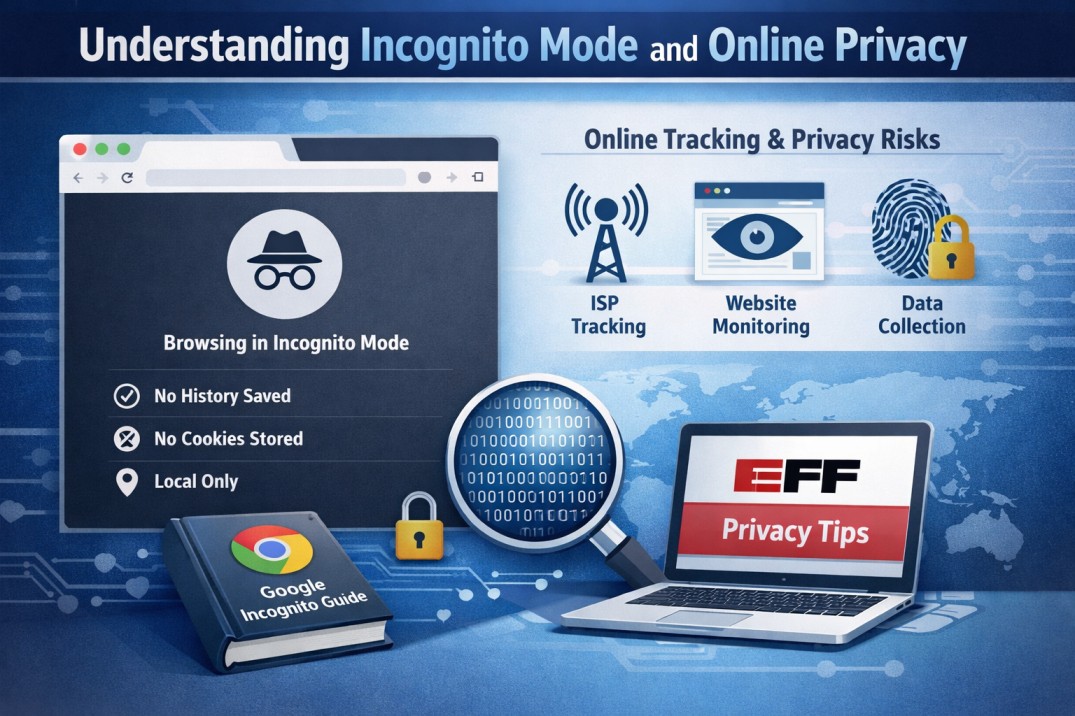
    Understanding Incognito Mode and Online Privacy

    To better understand how Incognito Mode works and its limitations, you can refer to the official

    Google Chrome Incognito Mode guide
    , which explains what data is and isn’t saved during private browsing.
    Additionally, for a deeper look into online privacy and how browsing data is handled, the

    Electronic Frontier Foundation (EFF) privacy resources
    provide valuable insights into digital tracking, user safety, and internet privacy practices.

    Conclusion: How to Block Incognito Mode in Chrome Effectively

    Understanding how to block incognito mode in chrome is essential for improving safety, productivity, and digital control.

    If you are also working on improving focus and reducing harmful habits, you may find these guides helpful:

    For complete protection, combining system-level settings with dedicated tools ensures that incognito mode cannot be easily bypassed.

    Related Articles

    Get Started with BlockGuard

    Free Chrome Extension: Install it here
    Free Android App: Install it here
    Official site: blockguardnet.com

  • How to Get Rid of Porn Addiction Permanently: 10 Proven Steps That Actually Work

    How to Get Rid of Porn Addiction Permanently: 10 Proven Steps That Actually Work

    Introduction

    Many people today search online for how to get rid of porn addiction permanently because the internet has made explicit content easier to access than ever before. Smartphones, private browsing, high-speed internet, and social media platforms constantly expose users to stimulating content that can gradually turn into a harmful habit.

    Understanding how to get rid of porn addiction permanently is important for anyone who wants to improve their mental health, productivity, relationships, and overall quality of life. While quitting porn may seem difficult at first, thousands of people successfully overcome this habit every year by using the right strategies and building healthier digital habits.

    Porn addiction often develops slowly. What may begin as curiosity or occasional consumption can eventually become a repetitive behavior that interferes with daily responsibilities and emotional wellbeing. Learning how to get rid of porn addiction permanently helps individuals regain control of their habits and focus on personal growth.

    Understanding the Psychology Behind Porn Addiction

    Pornography affects the brain’s reward system. Every time a person consumes explicit content, the brain releases dopamine — the neurotransmitter associated with pleasure and reward. This chemical reaction creates a sense of temporary satisfaction.

    However, repeated exposure to high levels of stimulation can cause the brain to adapt. Over time, the brain may begin craving stronger or more frequent stimulation. This cycle makes it harder for individuals to stop watching porn even when they want to.

    Recognizing how the brain responds to stimulation is an essential step when learning how to get rid of porn addiction permanently. Awareness allows individuals to build strategies that break the cycle of compulsive behavior.

    Why Porn Addiction is Increasing in the Digital Age

    The digital environment has drastically changed the way people consume content. Unlike the past, explicit material is now available instantly through mobile devices and computers.

    • Unlimited access to adult websites
    • Private browsing and anonymity
    • Social media algorithms promoting stimulating content
    • High-speed internet connections
    • Loneliness and stress in modern lifestyles

    Because of these factors, millions of individuals now search for guidance on how to get rid of porn addiction permanently.

    Warning Signs of Porn Addiction

    Recognizing the warning signs early can help prevent the habit from becoming severe. Some common signs include:

    • Spending excessive time watching porn
    • Difficulty stopping despite attempts
    • Feeling guilty or ashamed afterward
    • Reduced productivity and focus
    • Losing interest in real-life relationships

    If these patterns become frequent, it may be time to seriously consider learning how to get rid of porn addiction permanently.

    How to Get Rid of Porn Addiction Permanently

    Overcoming porn addiction requires awareness, discipline, and consistent lifestyle changes. The following strategies can help individuals successfully learn how to get rid of porn addiction permanently.

    1. Identify Personal Triggers

    Triggers are situations that increase the urge to watch porn. Common triggers include boredom, loneliness, stress, and late-night internet usage.

    2. Remove Easy Access to Porn

    Reducing accessibility significantly lowers temptation. Deleting bookmarks, clearing browsing history, and blocking adult websites can help create a safer browsing environment.

    Tools like BlockGuard help filter explicit content and reduce exposure to harmful websites.

    3. Replace the Habit With Productive Activities

    Breaking addictive behavior becomes easier when unhealthy habits are replaced with positive ones such as exercise, reading, or learning new skills.

    4. Limit Social Media Usage

    Many social media platforms frequently display sexualized content that triggers urges. Reducing screen time and unfollowing triggering accounts can significantly help.

    5. Create a Structured Daily Routine

    A productive daily routine keeps the mind engaged and reduces idle time that may lead to temptation.

    6. Track Your Progress

    Tracking progress helps reinforce motivation. Many individuals keep track of the number of days they avoid pornography.

    7. Practice Meditation

    Meditation improves mental discipline and impulse control. It helps individuals become more aware of their thoughts and urges.

    8. Exercise Regularly

    Physical activity releases natural endorphins that improve mood and reduce stress, making it easier to resist addictive urges.

    9. Seek Accountability

    Talking with supportive friends, mentors, or communities can help maintain motivation and accountability.

    10. Be Patient With Recovery

    Learning how to get rid of porn addiction permanently takes time. Progress may not always be linear, but consistency eventually leads to long-term success.

    The Role of Technology in Porn Addiction Recovery

    Technology can contribute to addiction, but it can also be used as a tool for recovery. Many apps and browser extensions are designed to help individuals control their online habits.

    Website blockers, accountability apps, and focus tools can reduce exposure to harmful content and help users build healthier browsing patterns.

    Long-Term Strategies for Maintaining Self-Control

    Quitting porn is only the first step. Maintaining long-term self-control requires continuous effort and lifestyle improvements.

    • Maintain a healthy routine
    • Stay physically active
    • Focus on long-term personal goals
    • Reduce unnecessary screen time
    • Build strong social relationships

    These long-term strategies help individuals maintain the progress they achieve while learning how to get rid of porn addiction permanently.

    Psychological Effects of Excessive Porn Consumption

    Many individuals report emotional and psychological consequences from excessive porn usage.

    • Reduced motivation
    • Difficulty concentrating
    • Emotional instability
    • Feelings of guilt and shame
    • Relationship problems

    Understanding these effects often motivates people to search for solutions on how to get rid of porn addiction permanently.

    Scientific Research on Pornography Addiction

    Research suggests that repeated exposure to highly stimulating content may influence brain chemistry and behavioral patterns.

    According to studies published by
    NCBI, behavioral addictions can affect motivation, attention, and emotional regulation.

    Benefits of Quitting Porn

    • Improved mental clarity
    • Better productivity and focus
    • Healthier relationships
    • Improved emotional wellbeing
    • Greater self-confidence

    These benefits explain why many people actively search for solutions on how to get rid of porn addiction permanently.

    Frequently Asked Questions

    How can someone get rid of porn addiction permanently?

    People can overcome porn addiction by identifying triggers, reducing exposure to explicit content, developing healthier habits, and staying consistent with their recovery goals.

    How long does it take to quit porn addiction?

    Recovery time varies depending on the individual. Some people experience improvements within a few weeks, while others may require several months.

    Can porn blockers help stop addiction?

    Yes. Porn blocking tools reduce exposure to explicit material and help individuals maintain control over their digital environment.

    Is porn addiction reversible?

    Yes. With the right strategies, lifestyle changes, and discipline, individuals can successfully learn how to get rid of porn addiction permanently.

    Common Mistakes People Make When Trying to Quit Porn

    Many people attempt to stop watching pornography but struggle because they approach recovery in the wrong way. Understanding these common mistakes can help individuals learn how to get rid of porn addiction permanently more effectively.

    1. Relying Only on Willpower

    Willpower alone is rarely enough to overcome addictive behaviors. Without removing triggers or changing daily habits, individuals may eventually fall back into old patterns.

    2. Ignoring Emotional Triggers

    Stress, loneliness, and boredom often lead to addictive behaviors. Addressing emotional triggers is an important step in learning how to get rid of porn addiction permanently.

    3. Spending Too Much Time Online

    Excessive internet usage increases exposure to triggering content. Reducing screen time and building offline activities helps minimize temptation.

    4. Not Having Clear Goals

    Without a clear purpose, quitting porn becomes much harder. Setting personal goals related to career, health, and relationships provides motivation during recovery.

    Healthy Habits That Support Porn Addiction Recovery

    Replacing unhealthy habits with positive ones is one of the most effective strategies when learning how to get rid of porn addiction permanently.

    Regular Exercise

    Exercise improves mood, boosts confidence, and releases natural dopamine in a healthy way. Many individuals find that physical activity significantly reduces addictive urges.

    Reading and Learning

    Reading books or learning new skills keeps the mind engaged and reduces idle time that may lead to temptation.

    Building Strong Relationships

    Spending time with friends, family, and supportive communities helps reduce feelings of isolation and improves emotional wellbeing.

    Practicing Gratitude

    Keeping a gratitude journal helps shift focus toward positive aspects of life and reduces negative emotional triggers.

    The Role of Discipline in Overcoming Addiction

    Discipline plays a crucial role when learning how to get rid of porn addiction permanently. Building discipline involves making consistent choices that support long-term goals rather than short-term pleasure.

    Small daily habits such as waking up early, exercising regularly, and reducing screen time strengthen mental discipline over time.

    As discipline improves, individuals find it easier to resist impulses and maintain control over their behaviors.

    Digital Minimalism and Reducing Online Distractions

    Digital minimalism is the practice of intentionally reducing unnecessary technology usage. This concept can be extremely helpful for individuals trying to understand how to get rid of porn addiction permanently.

    • Remove unnecessary apps from your phone
    • Disable notifications from distracting platforms
    • Limit social media usage
    • Create screen-free periods during the day

    These strategies help reduce exposure to triggering content and improve overall focus.

    How Self-Control Improves Overall Life Quality

    Learning self-control does not only help individuals quit pornography. It also improves many other areas of life.

    • Improved productivity and focus
    • Better emotional stability
    • Stronger relationships
    • Higher confidence and self-respect
    • Greater ability to achieve long-term goals

    These benefits demonstrate why many individuals are motivated to learn how to get rid of porn addiction permanently and maintain healthier habits.

    Motivation and Personal Growth

    Overcoming porn addiction can become a powerful opportunity for personal growth. Many individuals discover new goals, passions, and ambitions during their recovery journey.

    When individuals redirect their energy toward learning, creativity, fitness, or entrepreneurship, they begin to build a more meaningful and fulfilling life.

    This transformation often becomes one of the most rewarding aspects of learning how to get rid of porn addiction permanently.

    Final Thoughts on Building a Healthier Digital Life

    The internet offers incredible opportunities for learning, communication, and personal growth. However, it also presents challenges that require discipline and awareness.

    By understanding triggers, reducing exposure to harmful content, and building productive habits, individuals can create a balanced relationship with technology.

    Anyone who commits to learning how to get rid of porn addiction permanently can gradually regain control of their habits and focus on building a healthier future.

    Conclusion

    Learning how to get rid of porn addiction permanently requires awareness, discipline, and consistent effort. By identifying triggers, reducing exposure to explicit content, and building healthier habits, individuals can regain control of their digital behavior.

    Recovery is a journey that takes time and patience. With the right mindset and supportive tools, anyone can overcome pornography addiction and create a healthier and more balanced life.

    Related Articles

    Get Started with BlockGuard

    Free Chrome Extension: Install it here
    Free Android App: Install it here
    Official site: blockguardnet.com

  • 7 Reasons Why Students Should Block Porn Websites for Better Focus

    7 Reasons Why Students Should Block Porn Websites for Better Focus

    Block porn websites to improve focus, productivity, and mental health. Students today spend many hours online for studying, research, and communication. However, the internet also exposes them to distractions that can affect academic performance.

    One of the biggest distractions students face online is adult content. Pornography websites are designed to capture attention and keep users engaged for long periods of time. When students frequently visit these websites, it can lead to reduced concentration, procrastination, and unhealthy digital habits.

    Blocking porn websites is one of the most effective ways students can create a distraction-free digital environment and improve their study productivity.

    1. Porn Websites Are a Major Source of Distraction

    Students often open their laptops or phones with the intention of studying. However, explicit websites can quickly pull their attention away from academic work.

    Porn websites are designed with endless recommendations and highly stimulating content that keeps users engaged. Even a few minutes spent on such websites can turn into hours of lost study time.

    If you want a practical guide, read our article on
    how to block porn sites on Chrome and prevent access to adult content completely.

    By choosing to block porn websites, students can eliminate one of the biggest online distractions and maintain better focus during study sessions.

    2. Blocking Porn Websites Improves Academic Performance

    Academic success requires discipline and concentration. Students who frequently consume explicit content may struggle with procrastination and reduced motivation.

    Blocking porn websites allows students to:

    • Spend more time studying
    • Improve concentration during assignments
    • Maintain consistent study routines
    • Reduce digital distractions

    3. Porn Consumption Can Affect Mental Health

    Frequent exposure to pornography can lead to unhealthy habits and compulsive viewing patterns. Highly stimulating content can affect dopamine response and attention span.

    Students who repeatedly consume such content may experience:

    • Reduced motivation
    • Difficulty concentrating
    • Increased stress or anxiety
    • Feelings of guilt

    Blocking porn websites helps reduce exposure to addictive digital content and encourages healthier online behavior.

    4. Blocking Porn Websites Builds Digital Discipline

    Students who actively choose to block porn websites develop stronger digital discipline. Instead of wasting time on explicit content, they can focus on productive activities like studying, learning new skills, and improving themselves.

    If you are trying to stop the habit completely, our guide on
    benefits of quitting porn explains how avoiding porn can improve focus, motivation, and mental clarity.

    5. Encourages Healthier Internet Habits

    The internet can be an incredible learning tool when used correctly. When students block porn websites, they can redirect their online time toward productive activities such as:

    • Watching educational lectures
    • Taking online courses
    • Learning programming or technical skills
    • Reading academic resources

    You can also learn about the psychological effects of pornography from trusted research like the
    American Psychological Association.

    6. Protects Younger Students from Explicit Content

    Younger students are especially vulnerable to explicit content online. Exposure to adult material at an early age can create confusion and unrealistic expectations.

    This is one reason parents and educators recommend tools that block adult websites and filter explicit content.

    For a deeper discussion on teenage exposure to pornography, read our guide
    is watching porn bad for teens.

    7. Website Blockers Help Students Stay Focused

    Website blockers and productivity tools help students maintain a distraction-free study environment. These tools automatically filter explicit websites and prevent access to adult content.

    Students who block porn websites can reclaim their time, improve discipline, and build healthier digital habits.

    Frequently Asked Questions

    Why should students block porn websites?

    Students should block porn websites because they can reduce focus, cause distractions, and negatively affect productivity and mental wellbeing.

    Can blocking porn websites improve study productivity?

    Yes. Blocking porn websites removes major distractions and helps students concentrate better on studying and completing assignments.

    How can students block adult websites?

    Students can use browser extensions or website blockers that automatically filter explicit websites.

    Do porn blockers affect normal browsing?

    No. Most porn blockers only filter adult content while allowing normal educational and research websites.

    Conclusion

    Pornography can be a major distraction that affects students’ productivity, focus, and mental health. Choosing to block porn websites is a simple but powerful step toward building healthier digital habits.

    By removing harmful distractions, students can spend more time studying, learning new skills, and achieving their academic goals.