Blog

  • Regret After Masturbation: 7 Powerful Reasons It Happens and How to Cope

    Regret After Masturbation: 7 Powerful Reasons It Happens and How to Cope

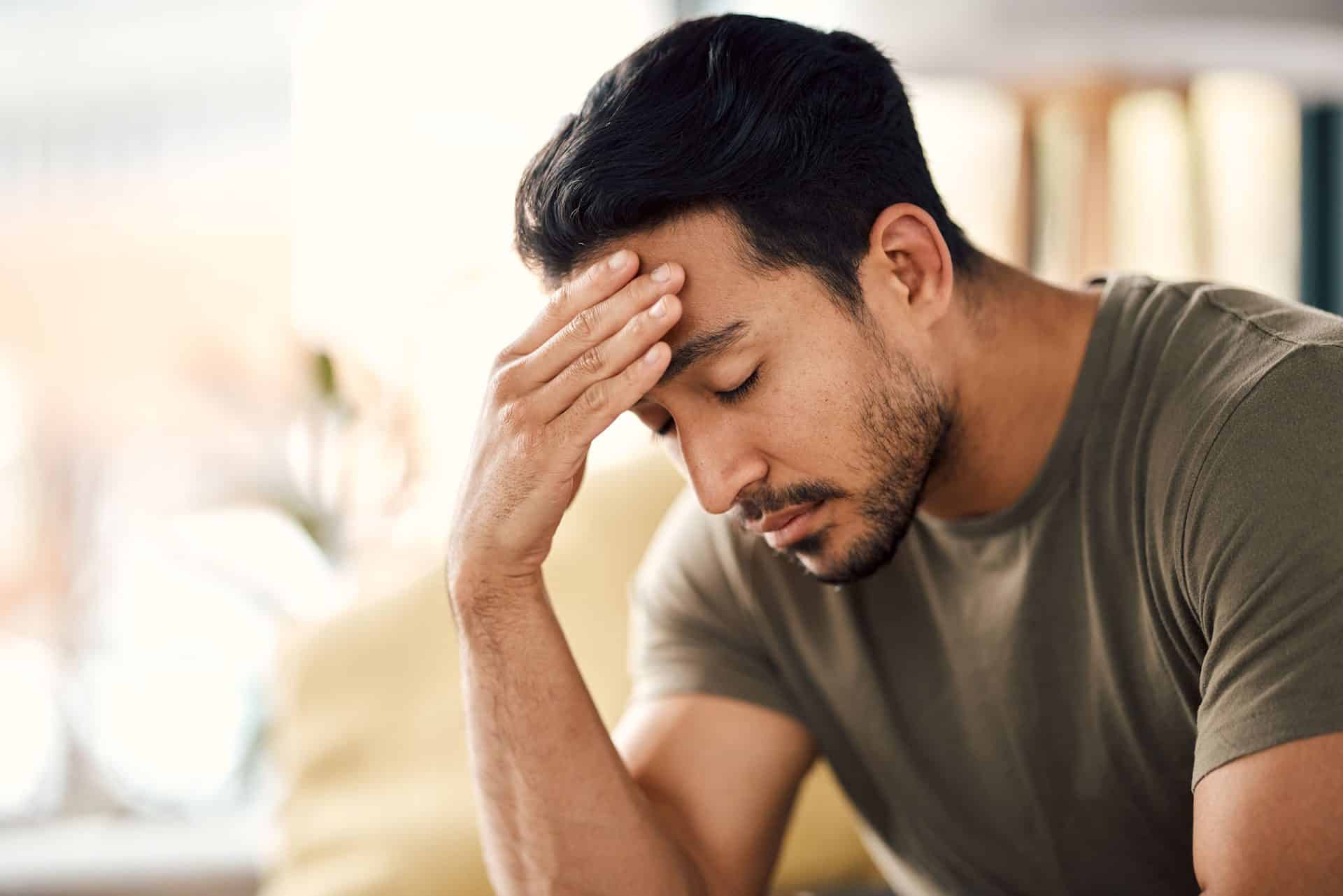
    Regret after masturbation is more common than most people admit. You may feel guilt, shame, sadness, or even anxiety immediately afterward and wonder, “Why do I regret masturbating?” The truth is, these emotions are rarely about the act itself. Instead, they are rooted in psychology, culture, personal beliefs, and even brain chemistry.

    Understanding why guilt after masturbation happens is the first step toward building a healthier relationship with your sexuality.

    Regret after masturbation guilt and emotional coping

    1. Cultural and Religious Conditioning

    One of the strongest causes of regret after masturbation is early conditioning. Many cultures and religious traditions teach that masturbation is immoral or impure. Even if your conscious beliefs have evolved, subconscious programming can still trigger automatic guilt responses.

    This emotional reaction often operates independently from logic. You may know intellectually that masturbation is normal, yet still feel shame due to internalized messages.

    2. Social Stigma and Silence

    Sexual self-pleasure is still taboo in many communities. Because people rarely discuss it openly, individuals often feel isolated in their experience. That isolation can magnify feelings of shame after masturbation.

    Silence reinforces the belief that something is wrong — even when it isn’t.

    3. Post-Nut Clarity and Brain Chemistry

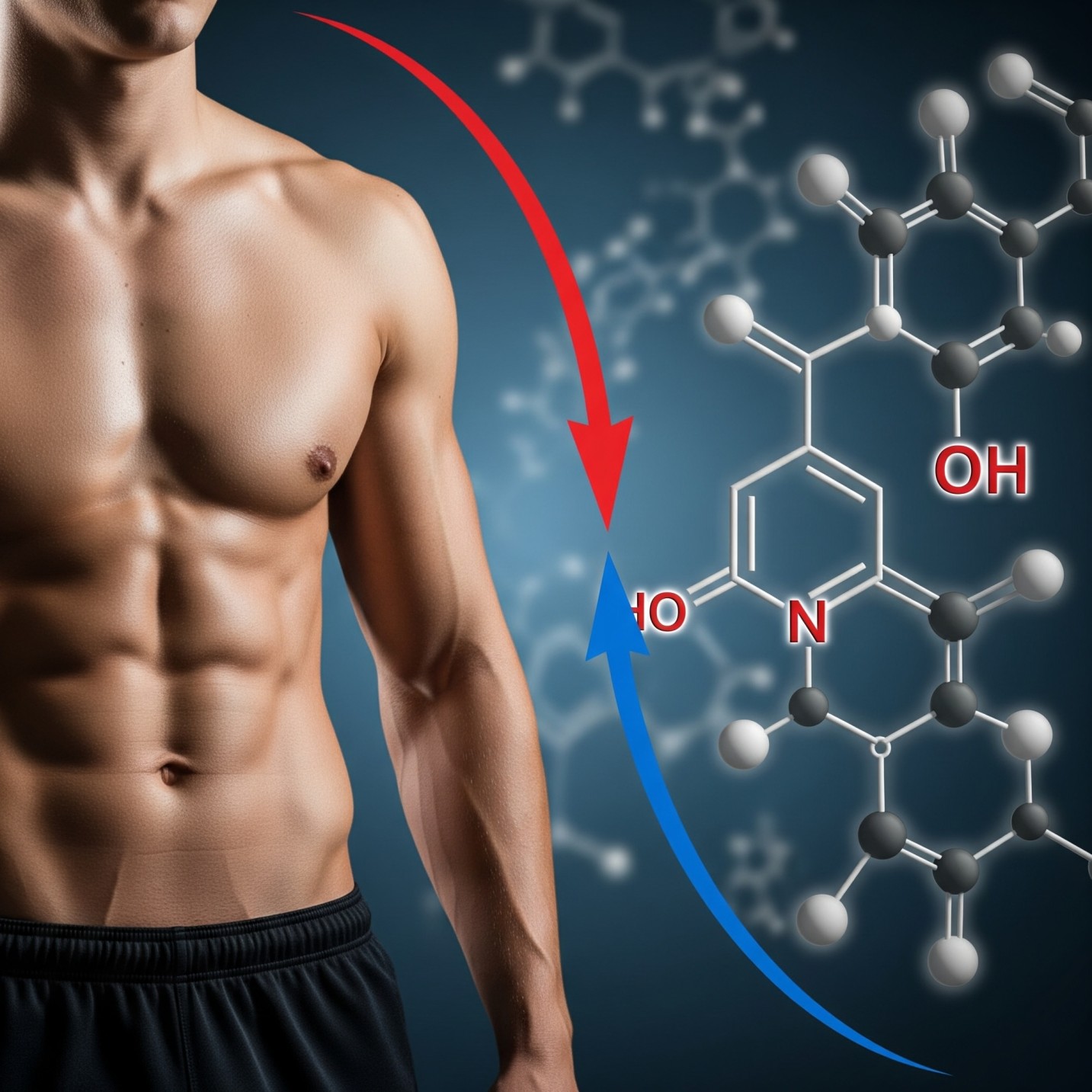
    Another major factor behind regret after masturbation is biological. During arousal, dopamine levels rise significantly. After orgasm, dopamine drops while prolactin increases. This rapid neurochemical shift can cause temporary sadness, anxiety, or emotional flatness.

    This experience is sometimes called post-nut clarity or postcoital dysphoria (PCD). According to medical research, hormonal fluctuations after orgasm can temporarily affect mood. You can read more about dopamine’s role in mood regulation from
    this medical overview.

    If you experience post nut clarity depression, it is typically short-lived and physiological rather than moral.

    4. Personal Goals and “Relapse” Feelings

    If you’re participating in a self-discipline challenge or trying to reduce frequency, regret after masturbation may feel like failure. In this case, the guilt is less about sexuality and more about breaking a commitment to yourself.

    It’s important to avoid all-or-nothing thinking. One slip does not erase progress.

    5. Pornography-Related Guilt

    Sometimes the shame after masturbation is actually linked to the content consumed. You may regret the type of material viewed, the time spent, or how it aligns with your values.

    If you’re questioning consumption patterns, you may also find our guide on
    how much porn is considered an addiction helpful.

    6. Emotional Avoidance Patterns

    Masturbation can sometimes serve as a coping mechanism for stress, loneliness, or anxiety. When used to escape emotions, it may lead to regret afterward because the underlying issue remains unresolved.

    Recognizing emotional triggers can reduce repeated cycles of guilt after masturbation.

    7. Unrealistic Expectations About Sexuality

    Societal myths — such as masturbation causing weakness, laziness, or health problems — can reinforce negative emotional responses. These myths lack scientific backing but persist culturally.

    How to Cope With Regret After Masturbation

    Practice Self-Compassion

    Replace harsh self-criticism with understanding. Feeling shame after masturbation does not define your character.

    Identify the Trigger

    Ask yourself: Is this guilt coming from culture, personal goals, content, or emotional avoidance?

    Reframe “Relapse” Thinking

    Progress is not linear. Treat setbacks as information, not failure.

    Try Mindful Self-Pleasure

    Focus on sensation and connection rather than rushing toward climax.

    Reduce Shame Through Conversation

    Talking to a therapist or trusted person can reduce secrecy-driven guilt.

    Seek Professional Support If Needed

    If regret after masturbation becomes overwhelming or compulsive patterns develop, a therapist specializing in sexual health can help.

    Frequently Asked Questions

    Why do I feel sad after masturbating?

    Temporary hormonal shifts after orgasm can cause post nut clarity depression. This is usually short-lived and not a sign of wrongdoing.

    Is guilt after masturbation a sign of addiction?

    Not necessarily. Addiction involves loss of control and ongoing harm. Guilt alone often reflects belief conflicts.

    How can I stop feeling shame after masturbation?

    Challenge negative beliefs, practice self-compassion, and address the root emotional trigger.

    Final Thoughts

    Regret after masturbation is usually rooted in cultural beliefs, psychological patterns, or biological responses — not moral failure. By understanding why you feel guilt after masturbation and practicing healthier coping strategies, you can move toward a more balanced and compassionate relationship with yourself.

    You are not broken, and you are not alone. Awareness is the first step toward freedom from shame.

  • Prostitution vs Pornography: 7 Critical Legal and Social Differences

    Prostitution vs Pornography: 7 Critical Legal and Social Differences

    Prostitution vs pornography is a debate that raises complex legal, economic, and social questions. Why is pornography legal in many countries while prostitution remains criminalized? Although both involve consensual adult sexual activity, the way society regulates and perceives them is dramatically different.

    Understanding the difference between prostitution and pornography helps clarify policy debates, worker rights discussions, and public safety concerns.

    Prostitution vs pornography legal and social differences

    1. Core Definition Differences

    Prostitution typically involves direct, in-person sexual services exchanged for money between a provider and a client.

    Pornography involves creating recorded sexual content for distribution to an audience, usually through films, websites, or digital platforms.

    The key difference between prostitution and pornography lies in the presence of a direct client interaction versus performance for a broader audience.

    2. Legal Status: Why Is Pornography Legal but Prostitution Is Not?

    One of the most debated aspects of prostitution vs pornography is legality. In many countries, pornography is treated as protected speech under freedom of expression laws, while prostitution laws classify direct sexual transactions as criminal offenses.

    Prostitution Laws

    • Illegal in most U.S. states (except parts of Nevada)
    • Legal or regulated in some European countries
    • Decriminalized in countries like New Zealand

    Pornography Laws

    • Generally legal if involving consenting adults
    • Subject to age verification and consent documentation
    • Regulated under obscenity and distribution laws

    You can review a general overview of global sex work policy models from
    Amnesty International.

    3. Economic Structure Differences

    The prostitution vs pornography debate also involves economic organization.

    Prostitution Economics

    Usually operates as a one-to-one service transaction. Income may depend on location, legal status, and safety structures.

    Pornography Industry Model

    Pornography functions more like the entertainment industry. Performers may work with studios, agencies, or independent subscription platforms.

    The difference between prostitution and pornography becomes clearer when examining scale — one is private and immediate, the other mass-produced and distributable.

    4. Regulation and Documentation

    Pornography is typically recorded, documented, and archived. Legal porn productions require:

    • Age verification compliance
    • Consent records
    • Distribution rights management

    Prostitution transactions are usually private and undocumented, which influences how prostitution laws vs porn laws are structured.

    5. Social Perception and Stigma

    Another major distinction in prostitution vs pornography is public perception.

    • Prostitution is often associated with crime, exploitation, and danger.
    • Pornography, while controversial, is normalized as digital entertainment.

    This perception gap contributes heavily to policy differences.

    6. Worker Safety and Public Health

    Legal frameworks directly impact safety.

    • Criminalized prostitution may push workers underground, increasing vulnerability.
    • Regulated pornography can include testing standards and contractual protections.

    However, both industries raise ongoing debates about exploitation, autonomy, and worker rights.

    7. Public Policy Implications

    Understanding prostitution vs pornography matters because laws shape:

    • Worker protections
    • Criminal justice resources
    • Healthcare access
    • Internet regulation
    • Tax structures

    Policy discussions increasingly focus on harm reduction rather than moral framing.

    If you’re exploring related legal debates, you may also read our article on
    premature ejaculation and porn to understand broader sexual health discussions.

    Final Thoughts

    The prostitution vs pornography comparison highlights how similar activities can be treated very differently under the law. While pornography is generally regulated as entertainment, prostitution is often criminalized due to historical, cultural, and political influences.

    These distinctions affect real people — influencing safety, economic opportunity, and social stigma. A nuanced understanding allows for more informed conversations about sex work legal differences and modern policy reform.

  • Premature Ejaculation and Porn: Is There a Real Connection?

    Premature Ejaculation and Porn: Is There a Real Connection?

    Premature ejaculation and porn are often discussed together, especially in online forums and self-help communities. Many men worry that pornography use may be contributing to rapid ejaculation or reduced sexual control. But does porn actually cause premature ejaculation, or are psychological factors more responsible?

    This article explores the scientific evidence, expert perspectives, and behavioral patterns behind porn and premature ejaculation to help you understand what’s fact and what’s misconception.

    Premature ejaculation and porn psychological connection

    Understanding Premature Ejaculation

    Premature ejaculation (PE) is one of the most common male sexual health concerns. It typically refers to ejaculating sooner than desired during sexual activity, often within a short time of penetration.

    PE can be:

    • Lifelong: Present from early sexual experiences.
    • Acquired: Develops after a period of normal sexual function.

    Experts identify several premature ejaculation causes, including anxiety, stress, neurotransmitter imbalances, relationship issues, and performance pressure.

    Does Porn Cause Premature Ejaculation?

    One of the most searched questions is: Does porn cause premature ejaculation? Current scientific research does not show a clear direct causal link between pornography use and PE.

    Large-scale studies suggest that porn use alone does not automatically predict sexual dysfunction. However, certain patterns of use may influence sexual conditioning and performance anxiety.

    What Research Suggests

    • Porn use alone is not proven to directly cause PE.
    • Psychological distress about porn use is more strongly linked to dysfunction.
    • Compulsive or rushed habits may reinforce rapid climax patterns.

    For more information about dopamine and behavioral conditioning, you can review this medical overview from
    Healthline.

    Behavioral Conditioning and Porn Use

    Rushed Masturbation Patterns

    Many individuals develop the habit of masturbating quickly, especially during adolescence when privacy is limited. Over time, this may train the body to associate sexual arousal with rapid ejaculation.

    This learned pattern — sometimes referred to as porn induced premature ejaculation — is behavioral rather than biological.

    Dopamine and Arousal Conditioning

    Pornography stimulates strong dopamine release. Repeated exposure to intense visual stimulation may condition faster arousal responses. However, this does not affect everyone the same way.

    Psychological Factors: The Bigger Contributor

    Most experts agree that psychological factors play a major role in premature ejaculation causes.

    Performance Anxiety

    Worrying about lasting longer can ironically increase anxiety and make ejaculation happen sooner.

    Unrealistic Expectations

    Porn often depicts exaggerated endurance and unrealistic sexual scenarios. Comparing oneself to performers may create self-doubt and pressure.

    Guilt and Shame

    Feeling conflicted about porn use can increase stress, which directly impacts ejaculatory control.

    Frequency vs. Impact

    Watching porn occasionally does not automatically lead to PE. The key factors are:

    • Loss of control over habits
    • Emotional distress
    • Negative impact on relationships

    If porn enhances intimacy without distress, it may not be problematic. However, compulsive use combined with anxiety may contribute to performance issues.

    Relationship Dynamics

    Porn and premature ejaculation can both affect intimacy. Communication between partners plays a major role in reducing anxiety and improving sexual satisfaction.

    If you’re exploring related habit changes, you may also find our guide on
    how much porn is considered an addiction helpful.

    Managing Premature Ejaculation

    1. Slow Down Stimulation

    Practice mindful masturbation, focusing on sensation rather than rushing to climax.

    2. Try the Stop-Start Technique

    This involves stimulating until close to climax, then pausing to regain control before continuing.

    3. Reduce Anxiety

    Breathing exercises, meditation, and open communication with your partner can lower performance pressure.

    4. Limit Porn Temporarily

    If you suspect porn habits are influencing your response pattern, try reducing frequency and observe changes.

    5. Seek Professional Help

    Sex therapists and healthcare providers can offer behavioral therapy, CBT, and other proven treatments.

    What Large-Scale Studies Show

    Recent observational research indicates that self-perceived addiction to porn is more closely linked to sexual dysfunction than porn use itself. This suggests that mindset and psychological distress are critical components.

    Final Thoughts

    The connection between premature ejaculation and porn is complex. Current evidence does not support a direct biological cause, but behavioral patterns and psychological factors may contribute for some individuals.

    Understanding your habits, addressing anxiety, and seeking support when needed are the most effective steps toward improving sexual health. With awareness and practical strategies, both PE and concerns about porn use can be successfully managed.

  • How Much Porn Is Considered an Addiction? Signs, Symptoms & When to Seek Help

    How Much Porn Is Considered an Addiction? Signs, Symptoms & When to Seek Help

    How much porn is considered an addiction? This is one of the most common questions people ask when they begin to worry about their habits. The truth is, there is no specific number of hours or videos that automatically defines addiction. Instead, porn addiction is determined by loss of control, emotional distress, and negative life consequences.

    Understanding the difference between casual use and problematic pornography use can help you recognize early warning signs and take action before the behavior becomes harmful.

    How much porn is considered an addiction warning signs and symptoms

    What Is Porn Addiction?

    Porn addiction is often described as compulsive porn use that continues despite harmful consequences. While not officially listed in the DSM-5, many professionals recognize it under behavioral addiction patterns. The World Health Organization includes Compulsive Sexual Behavior Disorder in the ICD-11.

    Like other behavioral addictions (such as gambling), porn activates the brain’s dopamine reward system. Over time, repeated overstimulation can lead to tolerance, cravings, and difficulty stopping.

    Core Characteristics

    • Loss of control: Repeated failed attempts to cut back.
    • Cravings: Persistent urges and intrusive thoughts.
    • Continuation despite harm: Ongoing use even when relationships or productivity suffer.

    How Much Porn Is Too Much?

    There is no universal “safe number.” Someone may watch occasionally but feel completely out of control, while another person may consume frequently without distress. The key factor is impact on daily life.

    Ask Yourself These Questions:

    • Is porn interfering with work, studies, or relationships?
    • Do you feel guilt, anxiety, or shame afterward?
    • Have you tried to stop but failed repeatedly?
    • Are you escalating to more extreme content?
    • Are you using porn to escape stress, loneliness, or emotional pain?

    If you answered “yes” to several of these, it may indicate porn addiction symptoms rather than casual use.

    Warning Signs of Porn Addiction

    1. Spending Excessive Time Watching

    Losing track of hours, staying up late, or prioritizing porn over responsibilities is a major red flag.

    2. Escalation of Content

    Needing more extreme or novel material to achieve the same level of stimulation is a sign of tolerance — a hallmark of addiction.

    3. Relationship Problems

    Compulsive porn use can reduce intimacy, create unrealistic expectations, and lead to secrecy or trust issues.

    4. Emotional Dependence

    If porn becomes your primary coping mechanism for stress or sadness, it shifts from entertainment to dependency.

    5. Mental Health Decline

    Increased anxiety, depression, fatigue, and lack of motivation may accompany problematic pornography use.

    Frequency vs. Addiction: The Critical Difference

    Frequency alone does not define addiction. What matters most is:

    • Compulsion: Feeling unable to resist urges.
    • Distress: Emotional suffering caused by use.
    • Consequences: Negative effects on daily functioning.

    If porn enhances your life without distress or dysfunction, it may not be addictive. But when control is lost, intervention becomes important.

    Psychological Triggers Behind Overuse

    Many people use porn as emotional regulation. Understanding triggers helps prevent relapse.

    • Stress: Dopamine temporarily reduces anxiety.
    • Loneliness: Porn can mimic connection.
    • Low self-esteem: Temporary validation replaces real growth.

    For more information about how dopamine affects behavior, you can read this medical overview from
    Healthline.

    When Should You Seek Help?

    You should consider professional support if:

    • You cannot stop despite serious consequences.
    • Your relationships are deteriorating.
    • Your mental health is declining.
    • You feel trapped or hopeless about change.

    Therapists trained in behavioral addiction or compulsive sexual behavior can provide structured recovery plans.

    If you’re exploring habit change strategies, you may also find our guide on
    NoFap timeline stages helpful.

    Steps Toward Recovery

    • Identify triggers and emotional patterns.
    • Use website blockers or accountability tools.
    • Replace the habit with healthier coping strategies.
    • Build supportive relationships.
    • Practice self-compassion during setbacks.

    Final Thoughts

    So, how much porn is considered an addiction? It’s not about counting minutes — it’s about recognizing loss of control and negative impact. If porn is harming your emotional well-being, relationships, or productivity, it may be time to reassess your habits.

    Recovery is possible, and awareness is the first step toward regaining control and building a healthier lifestyle.

  • NoFap Timeline: What to Expect at Every Stage of Your Journey

    NoFap Timeline: What to Expect at Every Stage of Your Journey

    NoFap timeline stages can feel intense, unpredictable, and transformative. While every journey is different, most people experience similar patterns during their NoFap journey timeline — including early energy boosts, withdrawal symptoms, flatline phases, and long-term psychological growth.

    If you’re starting or already progressing, understanding the NoFap timeline can help you stay prepared, motivated, and mentally strong.

    NoFap timeline stages and self improvement journey

    Week 1: The Initial Adjustment Phase

    Days 1–3: Energy Surge

    During the first few days, many report increased motivation and determination. This early phase of the NoFap timeline often brings excitement and a strong sense of commitment.

    Days 4–7: Withdrawal Symptoms

    Cravings intensify as dopamine levels begin stabilizing. Mood swings, irritability, and brain fog are common during this stage of the NoFap timeline stages.

    Weeks 2–3: The Flatline Phase

    Days 8–14: Emotional Numbness

    This period, often called the NoFap flatline phase, can include low motivation, fatigue, and reduced libido. While uncomfortable, it’s considered a normal adjustment phase.

    Days 15–21: Confidence Growth

    As the NoFap journey timeline progresses, many experience improved focus, higher confidence, and better emotional regulation.

    Weeks 4–6: Mental Clarity and Stability

    Days 22–30: Peak Temptation

    Temptations may return strongly around the 30-day mark. However, successfully navigating this phase strengthens discipline and resilience.

    Days 31–45: Emotional Awareness

    Participants often report improved relationships, increased empathy, and greater emotional balance during this stage of the NoFap benefits timeline.

    Weeks 7–9: Deeper Challenges

    Some individuals experience a return of cravings or temporary motivation dips. This phase tests consistency and reinforces long-term habit change.

    Beyond 90 Days: Lifestyle Integration

    After several months, many report transformative changes including:

    • Stronger self-control
    • Improved focus and productivity
    • Greater emotional stability
    • Healthier relationships
    • Renewed purpose and clarity

    Scientific Perspective

    Research on dopamine regulation and behavioral habits suggests that reducing compulsive behaviors may improve reward sensitivity and emotional balance. You can learn more about dopamine’s role in motivation from
    this medical overview.

    How to Successfully Navigate the NoFap Timeline

    • Set clear goals before starting
    • Track your daily streak
    • Exercise regularly
    • Practice mindfulness or meditation
    • Build a supportive community

    If you’re also exploring the psychological side, read our detailed guide on
    NoFap mental effects to understand emotional changes more deeply.

    Conclusion

    The NoFap timeline is not linear, and each stage presents unique challenges and rewards. From early withdrawal symptoms to long-term emotional growth, understanding the NoFap journey timeline helps you stay resilient and focused. With patience and discipline, the benefits compound over time.

  • Benefits of No Nut November: 10 Powerful Mental & Physical Gains

    Benefits of No Nut November: 10 Powerful Mental & Physical Gains

    Benefits of No Nut November extend beyond an online challenge. What began as a viral internet trend has become a self-discipline movement practiced worldwide. Many participants report improvements in focus, confidence, motivation, and emotional control throughout the 30-day challenge.

    No Nut November (NNN) encourages individuals to abstain from ejaculation for the month of November. While experiences vary, the No Nut November benefits are often linked to improved impulse control and healthier habit formation.

    Benefits of No Nut November mental and physical growth

    Physical Health Advantages

    1. Increased Daily Energy

    Many participants report feeling more energetic. By redirecting time and energy into workouts, hobbies, or productivity, individuals often notice improved stamina.

    2. Improved Sleep Patterns

    Some people experience more consistent sleep cycles when reducing overstimulation before bed.

    3. Temporary Hormonal Changes

    Limited studies suggest short-term abstinence may temporarily influence testosterone levels, potentially affecting motivation and drive.

    Mental Benefits of No Nut November

    4. Sharper Focus

    Reduced digital distractions can result in improved concentration and mental clarity. Many NNN benefits revolve around breaking compulsive patterns.

    5. Stronger Self-Control

    Completing the challenge requires discipline. Over time, this strengthens willpower that can carry into fitness, career, and relationships.

    6. Reduced Brain Fog

    Participants often report clearer thinking and better decision-making during the later stages of the month.

    Emotional Growth

    7. Higher Confidence

    Resisting urges builds self-respect and confidence. Achieving a 30-day goal reinforces mental resilience.

    8. Better Emotional Regulation

    Instead of using habits as stress relief, many develop healthier coping strategies such as exercise or meditation.

    Long-Term No Nut November Benefits

    The advantages may extend beyond November. Many participants report lasting lifestyle improvements, better self-awareness, and healthier digital habits.

    How to Maximize Results

    • Define your reason for starting
    • Exercise consistently
    • Avoid triggering content
    • Track your progress
    • Practice mindfulness techniques

    Scientific Perspective

    Research on behavioral addiction and dopamine regulation suggests that reducing compulsive stimulation may improve reward sensitivity and mental clarity. You can read more about dopamine and habit formation at
    Healthline.

    Final Thoughts

    The benefits of No Nut November include increased focus, stronger discipline, improved emotional balance, and personal growth. While results differ for everyone, participating can serve as a reset for unhealthy habits and a step toward self-improvement.

  • NoFap for Women: 7 Powerful Benefits & Honest Challenges

    NoFap for Women: 7 Powerful Benefits & Honest Challenges

    NoFap for Women is becoming an increasingly discussed topic in the world of sexual wellness and personal growth. Although the NoFap movement is often perceived as male-dominated, many women are exploring abstinence from pornography and compulsive masturbation as a path toward emotional clarity, self-respect, and body confidence.

    Understanding NoFap for women requires a balanced perspective. For some, it is about breaking compulsive habits. For others, it is about reclaiming sexual identity from unrealistic cultural standards and hypersexualized media.

    Why Women Choose NoFap

    Women join NoFap for deeply personal reasons. The motivations often differ from men and frequently center on emotional healing and self-awareness.

    1. Healing From Pornography’s Influence

    Many women feel that mainstream pornography promotes unrealistic expectations about body image and intimacy. NoFap for women can help reset these distorted standards.

    2. Regaining Self-Control

    For those who feel their sexual habits have become compulsive, abstinence provides structure and accountability.

    3. Reconnecting With Authentic Pleasure

    NoFap for women often involves rediscovering pleasure beyond performance or instant gratification.

    4. Breaking the Guilt-Shame Cycle

    Some women experience guilt around sexuality. Temporary abstinence can help rebuild a healthier emotional relationship with desire.

    7 Powerful Benefits of NoFap for Women

    1. Improved Body Image

    Stepping away from unrealistic sexual imagery can improve self-acceptance.

    2. Enhanced Emotional Clarity

    Many report reduced brain fog and improved focus.

    3. Greater Self-Confidence

    Completing even short abstinence goals can boost self-esteem.

    4. Increased Sensory Awareness

    Taking a break from high-stimulation content may enhance natural sensitivity.

    5. Stronger Emotional Connections

    Reducing compulsive habits may help deepen intimacy in relationships.

    6. Better Habit Awareness

    NoFap for women often increases mindfulness about emotional triggers.

    7. Personal Empowerment

    Choosing discipline builds confidence and resilience.

    Honest Challenges of NoFap for Women

    • Strong cravings in early weeks
    • Mood fluctuations
    • Social misconceptions
    • Unrealistic expectations

    It’s important to approach NoFap for women with balance rather than guilt or extreme pressure.

    Scientific Perspective

    Research on pornography consumption suggests that excessive use may impact mental health and relationships. However, moderate sexual activity is considered normal and healthy. The benefits of NoFap for women are often psychological rather than hormonal.

    For peer-reviewed research, visit

    PubMed
    .

    Frequently Asked Questions

    Is NoFap only for men?

    No. NoFap for women is a growing movement focused on wellness and self-discipline.

    Do women experience the same benefits as men?

    Some benefits overlap, but many women report improvements in body image and emotional awareness.

    Is NoFap for women safe?

    Short-term abstinence is generally safe for healthy adults. Balance and mental well-being should remain priorities.

    How to Start NoFap for Women Safely and Mindfully

    If you are considering NoFap for Women, it’s important to approach the journey with balance and self-awareness. This is not about suppressing sexuality, but about understanding your relationship with it. Many women find that starting with a realistic timeframe—such as 7, 14, or 30 days—makes the process more manageable.

    Begin by identifying your personal motivation. Are you trying to reduce compulsive behavior, improve body image, strengthen self-discipline, or reconnect with authentic pleasure? Clarifying your “why” will make NoFap for women more intentional and less stressful.

    It is also helpful to remove triggers. This may include limiting exposure to explicit social media content, setting screen boundaries at night, or installing website blockers. Small environmental adjustments can significantly reduce temptation.

    During the first week of NoFap for women, emotional fluctuations may occur. You might experience increased sensitivity, stronger cravings, or moments of frustration. These changes are normal and often temporary. Practicing mindfulness, journaling, or engaging in physical activity can help stabilize mood.

    Most importantly, avoid guilt-based thinking. The goal of NoFap for women is not perfection but growth. If setbacks happen, reflect without shame and continue forward. Long-term transformation comes from consistency and self-compassion, not rigid pressure.

    Is NoFap for Women Right for Everyone?

    While many women benefit from experimenting with abstinence, NoFap for Women is not a universal requirement for sexual wellness. Healthy sexuality can include masturbation when practiced in moderation and without compulsion.

    If sexual behavior is causing distress, interfering with relationships, or affecting mental health, seeking professional guidance may be helpful. Therapy or counseling can provide deeper insight beyond what a short-term challenge can offer.

    Ultimately, NoFap for women is best viewed as a self-awareness experiment rather than a rigid lifestyle rule. The true value lies in learning about your triggers, emotional needs, and boundaries.

    Conclusion

    NoFap for Women is not about repression but about rediscovery. For many, it offers a structured way to evaluate habits, improve confidence, and reconnect with authentic pleasure.

    Approached with realistic expectations and self-compassion, NoFap for women can be a powerful experiment in discipline and self-growth.

    For related reading, explore our article on

    NoFap Effect in 7 Days
    .

  • NoFap Effect in 7 Days: 7 Powerful Changes You’ll Notice

    NoFap Effect in 7 Days: 7 Powerful Changes You’ll Notice

    The NoFap Effect in 7 Days is one of the most discussed milestones in the self-improvement community. Many participants claim increased confidence, sharper focus, and higher energy levels within the first week. But what actually happens during the first seven days?

    Understanding the NoFap effect in 7 days requires separating scientific evidence from anecdotal experience. While some benefits are psychological, others may stem from breaking compulsive habits and improving discipline.

    NoFap Effect in 7 Days: What Science Suggests

    A commonly cited study reported a temporary spike in testosterone around day 7 of abstinence. However, the increase was short-lived and returned to baseline quickly. Research does not confirm long-term hormonal boosts from short-term abstinence.

    That said, the NoFap effect in 7 days often includes noticeable mental and emotional changes due to behavioral adjustment and dopamine recalibration.

    1. Increased Motivation

    Many participants report higher drive and productivity during the first week.

    2. Improved Focus

    Reduced exposure to pornography may decrease distractions and enhance concentration.

    3. Emotional Sensitivity

    Mood swings can occur as the brain adapts to lower dopamine stimulation.

    4. Strong Urges and Cravings

    The first week is often the hardest due to habit withdrawal.

    5. Better Sleep

    Some report improved sleep patterns as late-night screen use decreases.

    6. Increased Confidence

    Reaching day 7 creates a psychological boost from self-discipline.

    7. Sense of Achievement

    The NoFap effect in 7 days often includes pride and renewed self-belief.

    Physical Effects in the First Week

    Physically, most changes are subtle. Energy fluctuations may occur, but major physiological transformations are unlikely within 7 days.

    For peer-reviewed research on sexual health and hormones, explore

    PubMed
    .

    Common Challenges During the First 7 Days

    • Strong urges during idle time
    • Irritability or restlessness
    • Brain fog or temporary fatigue
    • Relapse temptation

    Frequently Asked Questions

    Is the NoFap effect in 7 days real?

    Many individuals report noticeable psychological benefits, though scientific evidence for dramatic hormonal change is limited.

    Does testosterone increase after 7 days?

    Some studies show temporary spikes, but long-term elevation is not confirmed.

    Is 7 days enough to see results?

    Seven days can create mental clarity and confidence boosts, but lasting change requires consistency.

    Conclusion

    The NoFap Effect in 7 Days is largely psychological but can feel powerful. While science does not confirm dramatic biological changes, many people experience improved focus, motivation, and confidence during the first week.

    If approached with realistic expectations, the first 7 days can serve as a strong foundation for long-term discipline and personal growth.

    For related insights, read our article on

    NoFap Effect in 30 Days
    .

  • No Nut November Rules: 10 Powerful Guidelines for Success

    No Nut November Rules: 10 Powerful Guidelines for Success

    The No Nut November Rules form the foundation of one of the internet’s most popular self-discipline challenges. Every November, thousands of participants commit to abstaining from ejaculation as a test of willpower, focus, and mental strength.

    Understanding the official No Nut November rules is essential if you want to complete the challenge successfully. While the concept sounds simple, following the rules consistently requires preparation, accountability, and the right mindset.

    What Are the Official No Nut November Rules?

    The No Nut November rules require complete abstinence from ejaculation for the entire month of November. This includes masturbation, pornography, and in many interpretations, sexual intercourse that results in ejaculation.

    1. No Masturbation

    The primary No Nut November rule is avoiding self-pleasure for 30 days.

    2. No Pornography

    Viewing adult content is prohibited under most interpretations of the No Nut November rules, as it may trigger relapse.

    3. No Ejaculation

    The challenge requires avoiding ejaculation entirely, whether through solo or partnered activity.

    4. Stay Accountable

    Tracking progress helps reinforce discipline and commitment.

    5. Avoid Triggers

    Identify and remove digital or environmental triggers that increase temptation.

    6. Build Healthy Habits

    Replace old habits with exercise, meditation, or productivity-focused routines.

    7. Join a Community

    Many participants find success by engaging with online NNN communities for motivation and support.

    8. Practice Mindfulness

    Managing urges through breathing techniques and awareness strengthens self-control.

    9. Focus on Growth

    The No Nut November rules are about discipline and self-improvement, not punishment.

    10. Maintain a Positive Mindset

    Approach the challenge with optimism rather than guilt.

    Scientific Perspective on No Nut November Rules

    Research suggests that reducing compulsive pornography use may improve focus and mental well-being for some individuals. However, there is limited scientific research specifically evaluating the No Nut November rules as a formal program.

    For deeper scientific references, you can explore studies at

    PubMed
    .

    Frequently Asked Questions

    What happens if you break No Nut November rules?

    If you relapse, many participants restart their streak and continue the challenge.

    Are No Nut November rules mandatory for everyone?

    No, the challenge is voluntary and intended for personal growth.

    Is No Nut November healthy?

    For most healthy adults, short-term abstinence is generally safe, but balance is important.

    Conclusion

    Following the No Nut November Rules can be a powerful exercise in discipline and self-awareness. Whether you complete all 30 days or learn valuable lessons along the way, the experience can help strengthen willpower and promote personal growth.

    For related insights, read our article on

    Is NoFap Overhyped
    .

  • Masturbation After Workout: 7 Powerful Truths About Muscle Gain

    Masturbation After Workout: 7 Powerful Truths About Muscle Gain

    The topic of Masturbation After Workout has sparked debate in fitness communities for years. Many gym-goers wonder whether self-pleasure after training affects testosterone, muscle growth, strength, or recovery. Some believe it weakens gains, while others argue it has no impact at all.

    So what does science actually say about masturbation after workout sessions? Let’s separate myths from evidence-based facts.

    Does Masturbation After Workout Affect Muscle Gain?

    Scientific research does not support the idea that masturbation after workout sessions harms muscle growth. Testosterone levels may fluctuate briefly after ejaculation, but these changes are short-lived and return to baseline quickly.

    Muscle growth primarily depends on progressive overload, adequate protein intake, sleep quality, and recovery — not on whether you masturbate after exercise.

    1. Testosterone Changes Are Temporary

    One of the biggest concerns surrounding masturbation after workout routines is testosterone loss. However, studies show that any hormonal drop is temporary and does not significantly impact long-term muscle building.

    2. Muscle Recovery Depends on Sleep and Nutrition

    Recovery is driven by protein synthesis, rest, and hormonal balance. Masturbation after workout sessions does not meaningfully interfere with these processes when practiced in moderation.

    3. Stress Reduction May Support Recovery

    Masturbation triggers the release of endorphins, serotonin, and oxytocin. These hormones can promote relaxation and reduce cortisol levels. Lower stress may indirectly support muscle recovery.

    4. Cortisol Concerns Are Overstated

    While extreme stress can impair recovery, moderate masturbation does not create harmful cortisol spikes. Chronic stress, poor sleep, and overtraining are far more significant concerns.

    5. Psychological Benefits Matter

    Fitness is not only physical — it is psychological. Masturbation after workout sessions may enhance mood and relaxation, helping athletes feel balanced and motivated.

    6. Overindulgence Could Affect Energy

    Excessive frequency may contribute to fatigue in some individuals. However, this is a matter of personal balance rather than a universal physiological limitation.

    7. Individual Differences Play a Role

    Everyone responds differently. Some people feel more relaxed and focused after masturbation, while others prefer abstaining before important athletic events.

    Scientific Perspective

    Most sports science experts agree that masturbation after workout sessions does not sabotage muscle gains. Performance depends far more on training consistency, caloric intake, and sleep quality.

    For peer-reviewed research, you can explore medical studies at

    PubMed
    .

    Frequently Asked Questions

    Does masturbation after workout reduce testosterone?

    No. Testosterone may fluctuate briefly but returns to normal quickly without impacting muscle growth.

    Should athletes avoid masturbation?

    There is no strong evidence suggesting athletes must abstain for muscle gain. Personal preference plays a larger role.

    Is masturbation bad for muscle recovery?

    No. Recovery depends more on nutrition, hydration, and sleep than on sexual activity.

    Conclusion

    Masturbation After Workout is unlikely to negatively affect muscle gain or recovery for most healthy individuals. Myths about testosterone loss and muscle weakness are not supported by strong scientific evidence.

    If your workouts, sleep, and nutrition are consistent, masturbation after workout sessions should not prevent progress. Listen to your body, maintain balance, and focus on fundamentals.

    For related reading, see our article on

    Does NoFap Increase Testosterone
    .