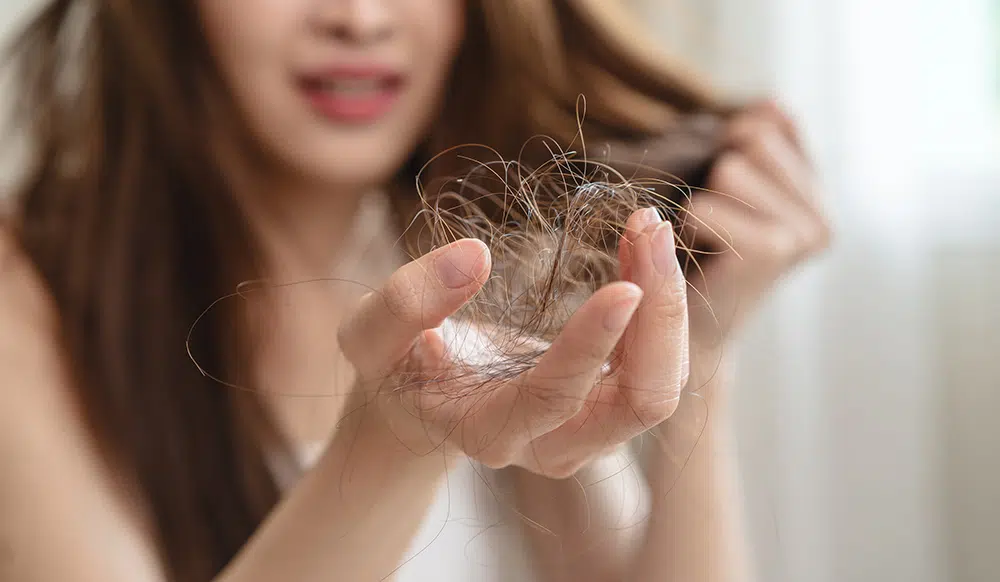
Concerned that your habits might be affecting your hair? You’re not alone in wondering: does masturbation cause hair loss? This question has circulated for generations, causing unnecessary worry for millions of people. The direct, evidence-based answer is no. There is absolutely no scientific evidence linking masturbation to hair loss or balding . What you may be experiencing is completely unrelated to your personal habits. This comprehensive guide separates fact from fiction, explores the origins of this common myth, explains the real causes of hair loss, and offers practical, science-backed advice for maintaining healthy hair and overall well-being.
Quick Answer: Does Masturbation Cause Hair Loss?
No, masturbation does not cause hair loss. This is a persistent myth with no scientific backing . Male and female pattern baldness are primarily determined by genetics and the hormone DHT (dihydrotestosterone), not by sexual activity . Masturbation is a normal, healthy activity and is completely unrelated to hair health.
Why Do People Think Masturbation Causes Hair Loss?
This myth has been around for centuries, with roots in historical fears and misunderstandings about the body. Two main theories are often cited, but both are scientifically unfounded .
Myth 1: Masturbation depletes the body of protein.
-
The Theory: Semen contains protein, so frequent ejaculation might lead to a protein deficiency, causing hair loss since hair is made of protein (keratin) .
-
The Fact: The amount of protein lost in a typical ejaculation is minuscule—roughly 252 mg per ejaculation—compared to your daily protein requirement of about 50 grams for an average adult . This loss is easily replenished by a normal diet and has no impact on hair growth . To put it in perspective, a single egg contains over 1,000 times more protein than what’s lost during ejaculation .
Myth 2: Masturbation spikes testosterone and DHT levels.
-
The Theory: Masturbation increases testosterone, which is then converted into DHT, a hormone linked to hair follicle shrinkage and male pattern baldness .
-
The Fact: While testosterone levels may experience a tiny, temporary fluctuation after masturbation, they return to baseline quickly . There is no evidence that masturbation has any long-term impact on testosterone or causes a significant, hair-damaging increase in DHT levels . One study even found that abstaining for three weeks led to a temporary increase in testosterone, contradicting the theory’s foundation .
Myth vs. Fact: Masturbation and Hair Loss
| Myth | Fact |
|---|---|
| Myth: Masturbation causes hair loss and balding. | Fact: There is no scientific evidence linking masturbation to hair loss . |
| Myth: Masturbating depletes protein needed for hair. | Fact: The protein lost in semen is negligible (about 252 mg) compared to your dietary intake (50g daily) and cannot cause a deficiency . |
| Myth: Masturbation increases DHT, which causes hair loss. | Fact: Masturbation does not significantly or permanently raise testosterone or DHT levels . |
| Myth: Masturbation can lead to blindness or infertility. | Fact: These are also myths; masturbation is a safe activity with no such health consequences . |
| Myth: Only men can experience hair loss due to masturbation. | Fact: Hair loss in anyone—male or female—is not linked to masturbation . |
What Actually Causes Hair Loss?
If not masturbation, then what does cause hair loss? The most common cause is a combination of genetics and hormones .
Androgenetic Alopecia (Male/Female Pattern Baldness)
This is a hereditary condition that causes over 95% of hair loss in men and may affect 85% of men by age 50 . It happens when individuals with a genetic sensitivity to DHT experience hair follicle shrinkage, leading to thinner hair and eventual balding . Research shows that about 80% of men with hair loss have a bald father, and specific genes on the X-chromosome and others make hair follicles more sensitive to hormones . DHT, a powerful form of testosterone, binds to receptors in the scalp’s hair follicles, shortening the hair growth cycle and making new hairs thinner and weaker .
Telogen Effluvium (Stress-Related Hair Loss)
High levels of physiological or emotional stress can trigger a temporary condition called telogen effluvium, where more hairs than normal enter the shedding phase . This type of hair loss is usually temporary and affects up to 70% of hair follicles prematurely . Common triggers include:
-
Severe emotional distress or traumatic events
-
High fever or severe infection
-
Major surgery or sudden blood loss
-
Childbirth (postpartum hormonal changes)
-
Crash diets that don’t contain enough protein
-
Certain medications (retinoids, beta-blockers, antidepressants, NSAIDs)
-
Hormonal changes (thyroid issues, stopping birth control)
Other Common Causes of Hair Loss
-
Nutritional Deficiencies: A lack of essential nutrients, particularly iron, vitamin D, zinc, and biotin, can impact hair health .
-
Medical Conditions: Scalp infections, autoimmune diseases, or side effects from medications .
-
Aging: Hair growth naturally slows down with age .
Understanding these root causes is the first step to finding the right solution for your hair concerns. If you’re experiencing stress-related hair loss, managing your digital habits and screen time can be a helpful step. Our guide on how to reduce screen time offers practical strategies for reducing digital stress and improving overall well-being.
Can Stopping Masturbation Regrow Hair?
Stopping masturbation will not regrow hair because masturbation is not a cause of hair loss . If you are experiencing hair loss, it is due to other factors such as genetics, stress, or nutritional deficiencies .
The most effective approach is to consult a dermatologist or healthcare professional for a proper diagnosis. Treatments like minoxidil (Rogaine®) can be prescribed for pattern baldness depending on the cause . For telogen effluvium, once you address the trigger (like stress or nutritional deficiency), hair typically grows back within three to six months without treatment .
If you find yourself stressed about your habits, which could be contributing to hair issues, addressing the underlying anxiety is more beneficial. For those struggling with digital habits that cause stress or distraction, building healthier routines is key. Tools like BlockGuard are designed to help you regain focus and reduce digital distractions, supporting overall mental well-being. You can also explore our guide on block adult websites on your phone for practical tools to create a healthier digital environment.
Frequently Asked Questions (FAQs)
1. Does masturbation cause hair loss in men?
No, there is no scientific evidence to suggest that masturbation causes hair loss in men. Hair loss in men is primarily caused by genetics (male pattern baldness) and affects about 85% of men by age 50 .
2. Does masturbation cause hair loss in women?
No. The myth is not gender-specific, and the conclusion is the same: masturbation does not cause any kind of hair loss in women .
3. Can frequent masturbation lead to baldness?
No, even frequent masturbation does not lead to baldness. The frequency of masturbation has no impact on hair loss .
4. Does ejaculation cause hair loss?
No. Ejaculation, whether through masturbation or sex, does not cause hair loss .
5. Does sex cause hair loss?
No. Just like masturbation, sex has no negative impact on your hair health .
6. Does masturbation increase DHT levels?
There is no evidence that masturbation increases DHT levels enough to cause hair loss. Masturbation does not significantly affect the body’s production of this hormone .
7. Could masturbation cause a protein deficiency?
No. The amount of protein lost through ejaculation (about 252 mg) is negligible and easily replaced by a normal diet that provides about 50 grams of protein daily .
8. Is hair loss linked to stress from masturbation?
If you are feeling stressed or anxious about masturbation, that stress could potentially contribute to a temporary condition like telogen effluvium, but the masturbation itself is not the cause .
9. Does masturbating cause hair on your palms?
No. This is another common myth, but the truth is that people do not have hair follicles on the palms of their hands .
10. What should I do if I’m worried about hair loss?
The best course of action is to consult a dermatologist or healthcare professional. They can diagnose the real cause of your hair loss and recommend appropriate treatment .
11. Are there treatments for hair loss?
Yes, there are FDA-approved treatments for hair loss, such as minoxidil (Rogaine®) for pattern baldness . For telogen effluvium, addressing the underlying trigger (like stress or nutritional deficiency) often resolves the issue .
12. Does reducing masturbation help hair grow back?
Stopping masturbation will not help hair grow back, as it is not a cause of hair loss. Hair regrowth depends on addressing the actual cause, such as genetics, stress, or nutritional deficiencies .
13. How much protein is lost during ejaculation?
A single ejaculation contains approximately 150-252 mg of protein, which is a minimal amount compared to your daily protein requirements of 46-56 grams for most adults . This small protein loss is quickly replenished by the body through normal dietary intake .
14. What is androgenetic alopecia?
Androgenetic alopecia is the most common cause of hair loss in men, affecting over 95% of cases . It’s caused by a genetic sensitivity to DHT, which causes hair follicles to shrink and produce thinner hair .
15. What is telogen effluvium?
Telogen effluvium is a type of temporary hair loss triggered by severe stress or changes to your body . It causes up to 70% of hair follicles to prematurely enter the shedding phase, resulting in rapid hair loss .
16. Does masturbation affect testosterone levels?
While there might be a slight, temporary increase in testosterone levels after masturbation, this is not significant or long-lasting enough to cause hair loss .
17. Can stress from digital habits cause hair loss?
Yes, stress from digital habits—such as excessive screen time, social media anxiety, or exposure to triggering content—can contribute to telogen effluvium . Managing digital wellness is important for overall health, and tools like BlockGuard can help reduce digital stress.
18. Are there any health benefits to masturbation?
Yes, masturbation has several health benefits, including stress reduction, improved sleep, boosted confidence, and enhanced sexual health by helping you understand your preferences .
Conclusion
The fear that masturbation causes hair loss is a persistent myth, but it is simply not supported by science. Your hair health is determined by a complex mix of genetics, hormones, age, and lifestyle factors—not by your sexual habits. Understanding this can relieve unnecessary worry and allow you to focus on the real, evidence-backed ways to maintain a healthy head of hair, such as a balanced diet, stress management, and consulting a professional if you notice significant hair thinning.
If digital distractions are contributing to stress in your life, remember that taking control of your online environment is a powerful step toward better health. Tools like BlockGuard can help you create a more focused and balanced digital life.
Key Takeaways
-
Masturbation does not cause hair loss. This is a myth with no scientific basis .
-
Protein loss is negligible. The small amount of protein in semen (about 252 mg) is easily replenished by your diet .
-
Hormone spikes are temporary. Masturbation does not significantly increase DHT levels, which are linked to genetic pattern baldness .
-
The real causes are genetics, hormones, stress, and diet. Over 95% of hair loss in men is due to androgenetic alopecia .
-
Manage stress for overall health. Reducing stress can improve your mental and physical well-being, which may indirectly support hair health. Managing digital habits is a key part of this.
Call to Action
Worried about stress and digital distractions impacting your health? Regain focus and build healthier habits. Explore how BlockGuard can help you create a more balanced digital life by blocking adult content and reducing online distractions.
Get Started with BlockGuard
Free Chrome Extension: Install it here
Free Android App: Install it here
Official site: blockguardnet.com
Leave a Reply